Phil

The Benefits of Professional Brick Repair

Professional brick repair offers numerous benefits. It restores your property’s structural integrity, preventing foundation issues. Skilled technicians revive your home’s aesthetics, boosting curb appeal and property value. This cost-effective solution safeguards your investment, extending your home’s lifespan and ensuring a safe, secure environment. Proactive maintenance and expert repairs prevent further damage, delivering high-quality results that …

The Benefits of Professional Brick Repair Read More »

Common Causes of Brick Cracking and How to Fix Them

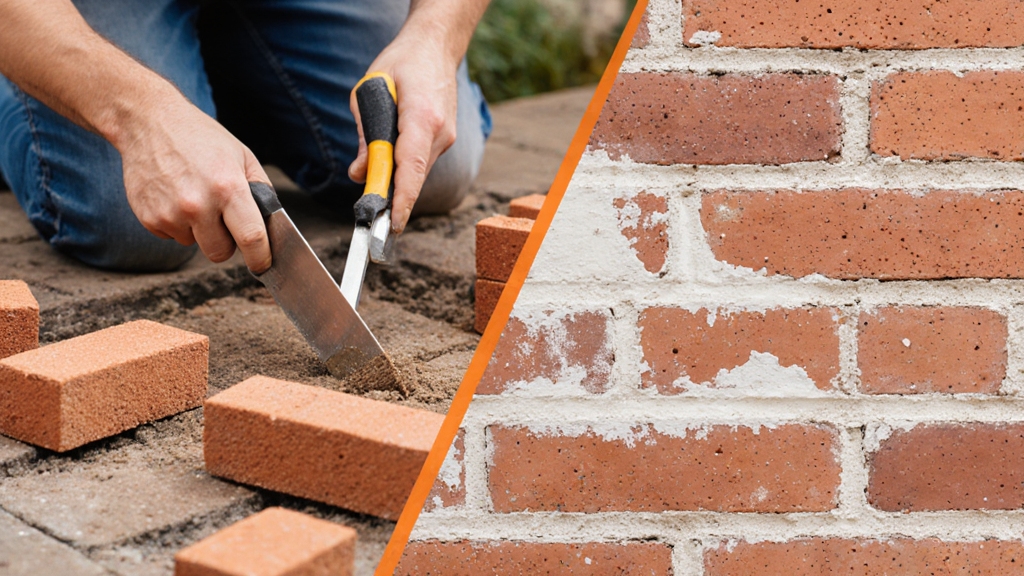
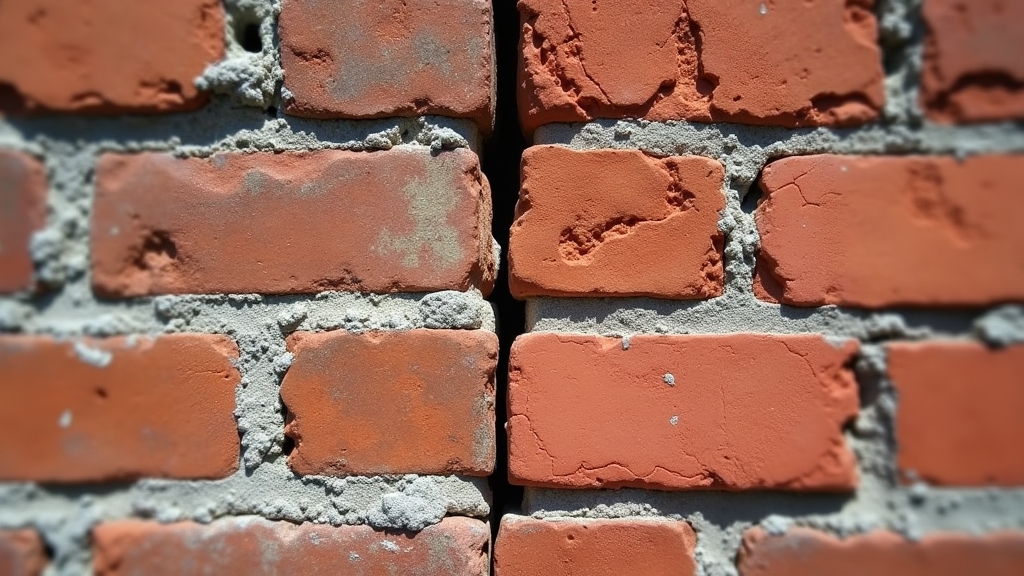
Brick cracking stems from a variety of issues like foundation problems, temperature swings, poor installation, and moisture damage. You’ll need to address the root cause, whether it’s fixing the foundation, improving drainage, or using the right repair techniques. Catching cracks early is key – it’ll save you time and money in the long run. If …

Common Causes of Brick Cracking and How to Fix Them Read More »

How to Know When You Need Brick Repointing

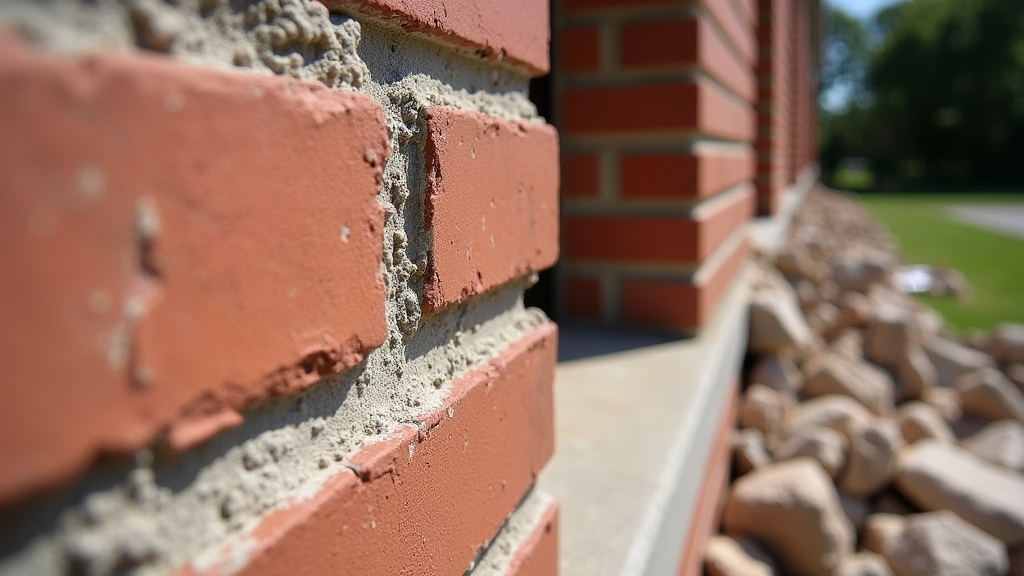
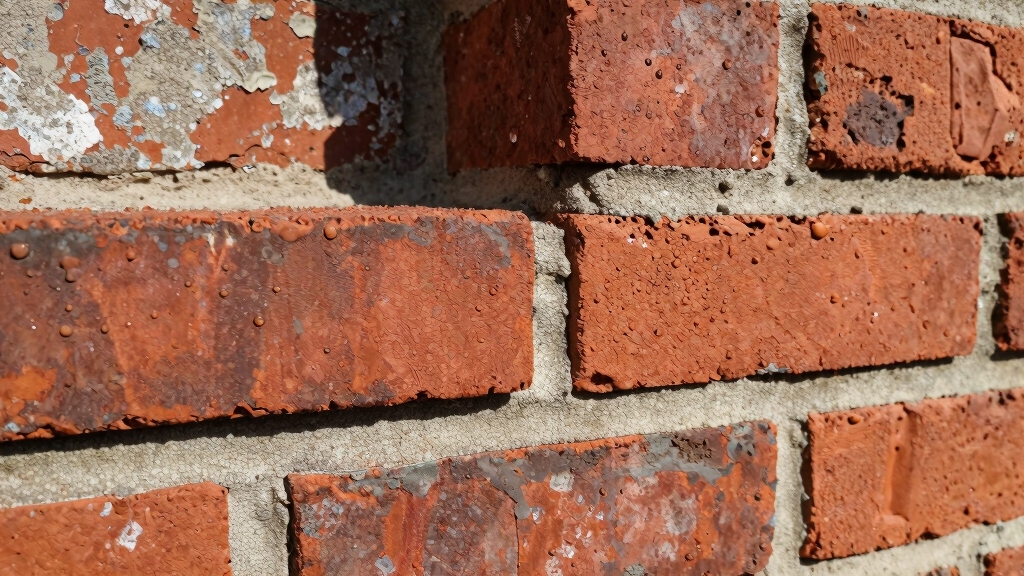
Crumbling mortar, visible cracks, water stains, and discoloration are all signs your brickwork needs repointing. Loose or missing bricks and structural instability like leaning walls are other red flags. A thorough inspection can pinpoint the extent of the damage and guide the best repair solutions. Addressing brick issues promptly prevents further deterioration and extends the …

How to Know When You Need Brick Repointing Read More »

Understanding the Masonry Restoration Process

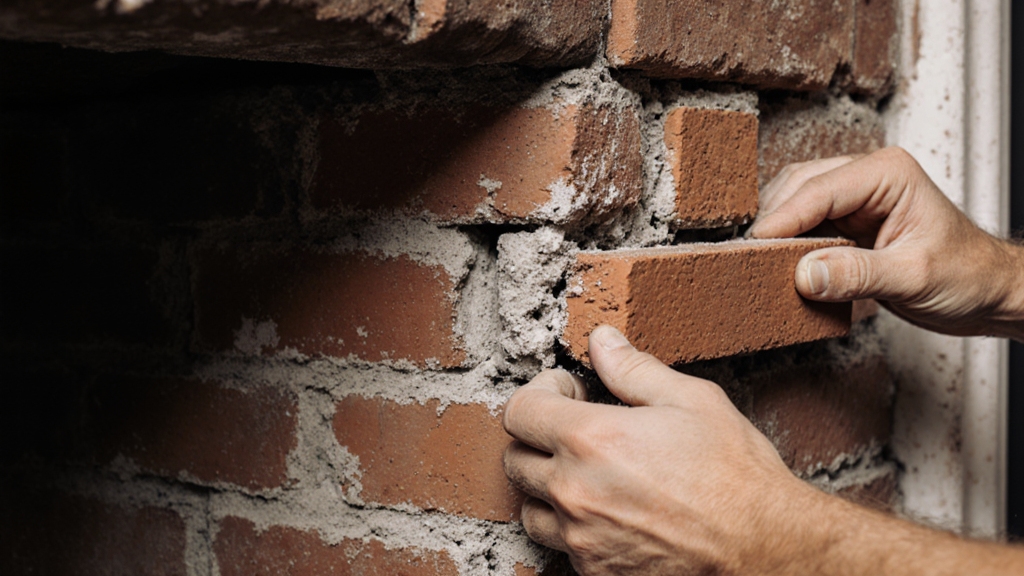
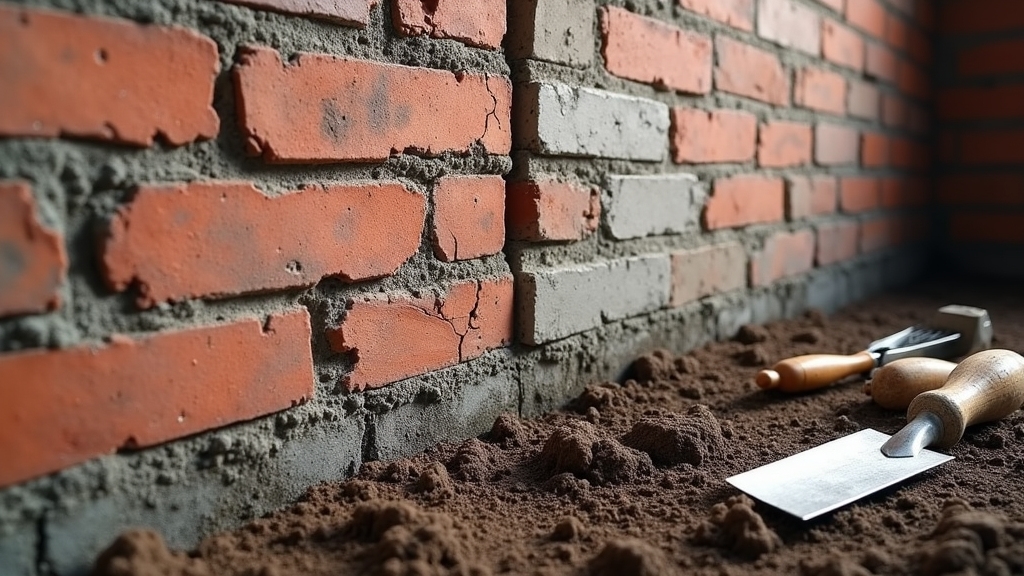
Restoring masonry requires a step-by-step process. First, you’ll assess the condition, identifying issues like cracks and water damage. Then, you’ll thoroughly clean the surfaces using gentle methods. Next, you’ll address structural defects and mortar deterioration to guarantee long-term stability. Carefully repairing or replacing damaged brickwork and stone surfaces comes next. Maintaining proper drainage and applying …

Understanding the Masonry Restoration Process Read More »

How to Inspect Masonry for Cracks and Water Damage

Wear gloves, eye protection, and sturdy shoes, then scan exterior walls, chimneys, and foundations with a bright flashlight. Look for hairline to 1/8-inch cracks, bulges, loose mortar, spalling faces, and white efflorescence. Check grading, gutters, and downspouts to confirm water sheds away. Inside, note damp spots, musty odors, peeling paint, sticking doors, and salt deposits. …

How to Inspect Masonry for Cracks and Water Damage Read More »

Why Professional Masonry Work Outlasts DIY Repairs

Professional masonry lasts longer because you spot issues early and fix root causes, not just symptoms. You match mortar to existing materials, manage freeze-thaw with breathable assemblies, and direct water away so walls can dry. You use calibrated tools, align joints, and stage work to avoid cold joints and moisture traps. You follow codes, manage …

Why Professional Masonry Work Outlasts DIY Repairs Read More »

Masonry Maintenance Tips Every Homeowner Should Know

Inspect brick, stone, and concrete each season for new cracks, crumbling mortar, stains, and efflorescence. Fix small issues early: caulk minor cracks, repoint deteriorated joints with matching mortar, and remove loose spalling while addressing moisture sources. Clean gently with water, mild detergent, and a soft brush; skip wire brushes and high-pressure washing. Manage water with …

Masonry Maintenance Tips Every Homeowner Should Know Read More »

The Most Common Causes of Masonry Damage

You face masonry’s biggest enemies year-round: freeze-thaw cycles and daily thermal movement that open microcracks, water intrusion that drives efflorescence and spalling, and poor drainage or grading that keeps walls saturated. Foundation settlement can twist walls and widen joints, while de-icing salts and incompatible repairs accelerate decay and corrosion. Proactive care—repointing, sealing, matching materials, and …

The Most Common Causes of Masonry Damage Read More »

Top Signs Your Masonry Needs Repair

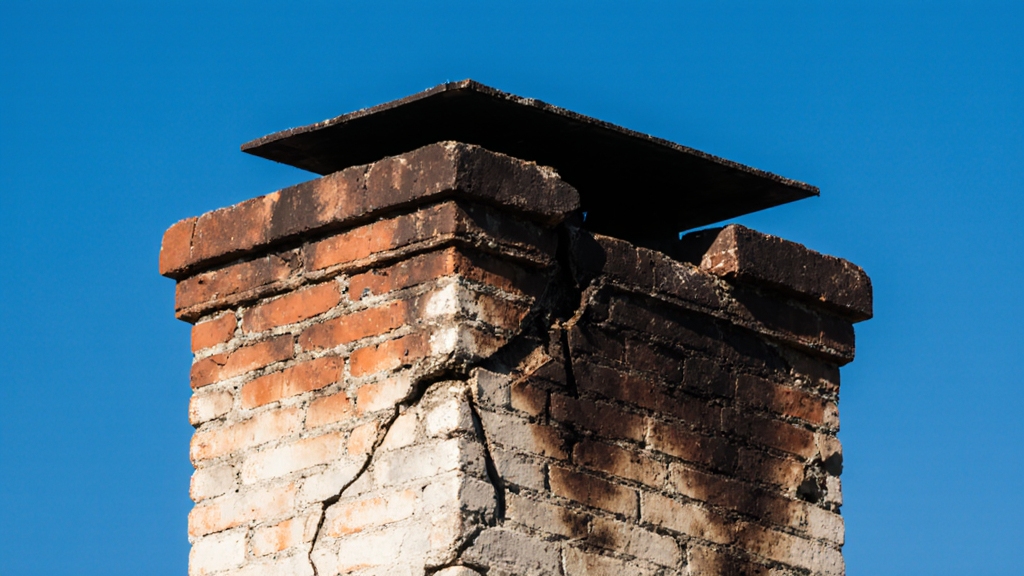
Watch for cracks in bricks or stone—vertical, diagonal, or horizontal—along with crumbling or missing mortar. Spalling faces, damp spots, efflorescence, and peeling paint signal moisture issues. Bulging or leaning walls, a tilting chimney, and rust stains from corroding ties are red flags. Check for sagging lintels, misaligned doors or windows, and gaps at frames. Note …

Top Signs Your Masonry Needs Repair Read More »

How Weather in Michigan Affects Masonry Durability

In Michigan, harsh weather greatly affects masonry durability. Freezing temperatures can cause frost heave, damaging bricks and mortar. Heavy snowfall increases structural stress, risking deformation. Rain and humidity lead to moisture absorption, weakening bonds and causing efflorescence. Seasonal temperature fluctuations create expansion and contraction issues, resulting in cracks. To combat these challenges, regular maintenance and …

How Weather in Michigan Affects Masonry Durability Read More »