
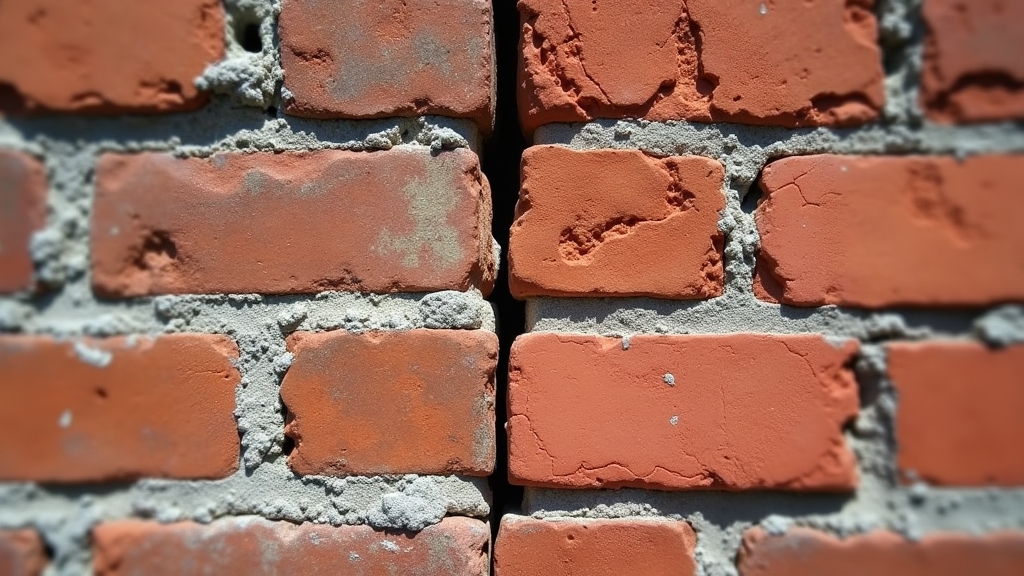
When deciding between brick repair and replacement, consider the extent of damage, costs, aesthetic impact, and structural integrity. Repairing superficial cracks may be more cost-effective, while extensive damage may warrant full replacement for long-term durability. Skilled masons can help preserve the visual appeal, but prioritize professional evaluation to guarantee safety and make the best choice. To learn more about the factors to weigh, continue reading.
Key Takeaways
- The decision to repair or replace bricks depends on the extent of damage, with superficial cracks suitable for repair but extensive damage requiring full replacement.
- Repair costs range from $5 to $15 per brick, while replacement costs $15 to $30 per brick, including removal and installation, with the cost-effectiveness depending on the specific situation.
- Proper brick repair maintains color matching and texture consistency, preserving the aesthetic appeal and architectural integrity of the property.
- Structural integrity assessments are crucial to ensure safety and longevity, evaluating cracks, mortar joint deterioration, and load-bearing capacity.
- Brick replacement offers superior durability with minimal maintenance needs, while DIY repair options, such as tuckpointing and individual brick replacement, are available with proper techniques.
Assessing the Extent of Brick Damage
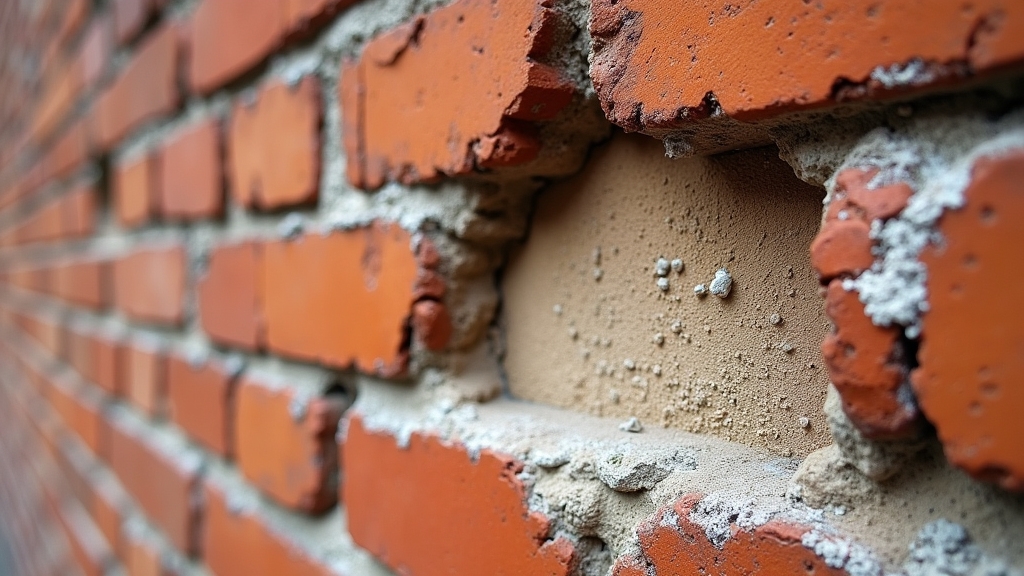
When evaluating the extent of brick damage, it’s vital to carefully examine the affected areas.
Look for signs of cracking, spalling, or crumbling, as these can indicate structural issues. Inspect the brick condition, noting any discoloration, erosion, or efflorescence, which can signal moisture problems.
A thorough damage assessment is important in determining whether repair or replacement is the better option. Consider the depth and severity of the damage – superficial cracks may be repairable, while more extensive damage may require full replacement.
Understanding the Costs of Brick Repair and Replacement
Determining whether to repair or replace damaged bricks ultimately comes down to cost considerations.
When comparing the costs, you’ll need to factor in the following:
- The materials and labor required for brick repair, which can range from $5 to $15 per brick, depending on the extent of damage.
- The full replacement cost, which includes removing the old bricks, acquiring new ones, and the labor to install them – typically costing $15 to $30 per brick.
- The longevity of the repair, as a proper brick repair can last for years, while replacement guarantees a longer-lasting, more durable solution.
Ultimately, the most cost-effective option depends on the specific situation and the condition of your brickwork.
The most cost-effective option depends on the specific situation and the condition of your brickwork.
Consider both the short-term and long-term implications to make the best decision for your home or building.
Preserving the Aesthetic Appeal
While cost is a critical factor, preserving the aesthetic appeal of your brickwork is equally important. Proper brick repair can maintain the color matching and texture consistency of your building’s façade, ensuring a seamless and cohesive appearance.
Mismatched bricks or uneven surfaces can detract from the overall visual harmony, diminishing the property’s curb appeal. Skilled masons can carefully select and integrate replacement bricks that closely match the existing ones, blending the repair work into the original structure.
Additionally, techniques like tuckpointing can renew the mortar joints without disrupting the brick pattern. By prioritizing aesthetic preservation, you can safeguard your building’s historic charm and architectural integrity, enhancing its value and appeal for years to come.
Evaluating the Structural Integrity
Alongside preserving the aesthetic appeal, it’s crucial to evaluate the structural integrity of your brickwork. A thorough structural assessment can reveal hidden issues, ensuring the safety and longevity of your property.
When evaluating the integrity, consider these key factors:
- Cracks or deterioration: Look for signs of crumbling, chipping, or cracking in the bricks, which may indicate underlying structural problems.
- Mortar condition: Assess the mortar joints for signs of deterioration, such as crumbling or missing material, as this can compromise the overall stability.
- Load-bearing capacity: Determine if the brickwork is effectively supporting the weight of the structure, as compromised load-bearing capacity can lead to serious issues.
Considering Long-Term Maintenance Requirements
When evaluating brick repair versus replacement, it is essential to take into account the long-term maintenance requirements of each option. Brick repair may seem like a more cost-effective solution in the short term, but it often requires ongoing preventive maintenance to guarantee the longevity of the repair. On the other hand, brick replacement offers superior long-term durability, but may come with a higher upfront cost.
To help you make an informed decision, consider the following table:
| Criteria | Brick Repair | Brick Replacement |
| Preventive Maintenance | Regular inspection and potential re-pointing required | Minimal maintenance needed |
| Long-Term Durability | Dependent on quality of repair work | Highly durable and long-lasting |
| Cost | Lower initial cost | Higher initial cost |
| Aesthetics | May not perfectly match existing brickwork | Seamless integration with existing structure |
Exploring DIY Brick Repair Options
Are you considering tackling brick repair as a do-it-yourself project? Exploring DIY brick repair options can be a cost-effective solution, but it’s essential to understand the process.
When it comes to mortar types, you’ll need to select the appropriate mixture for your project, whether it’s a traditional cement-based mortar or a more specialized option like lime mortar.
As for repair techniques, consider these options:
- Tuckpointing: Carefully removing and replacing damaged mortar between bricks
- Patchwork: Filling small cracks or holes with a matching mortar compound
- Brick replacement: Carefully removing and replacing individual damaged bricks
Consulting With Professionals for Optimal Decision-Making
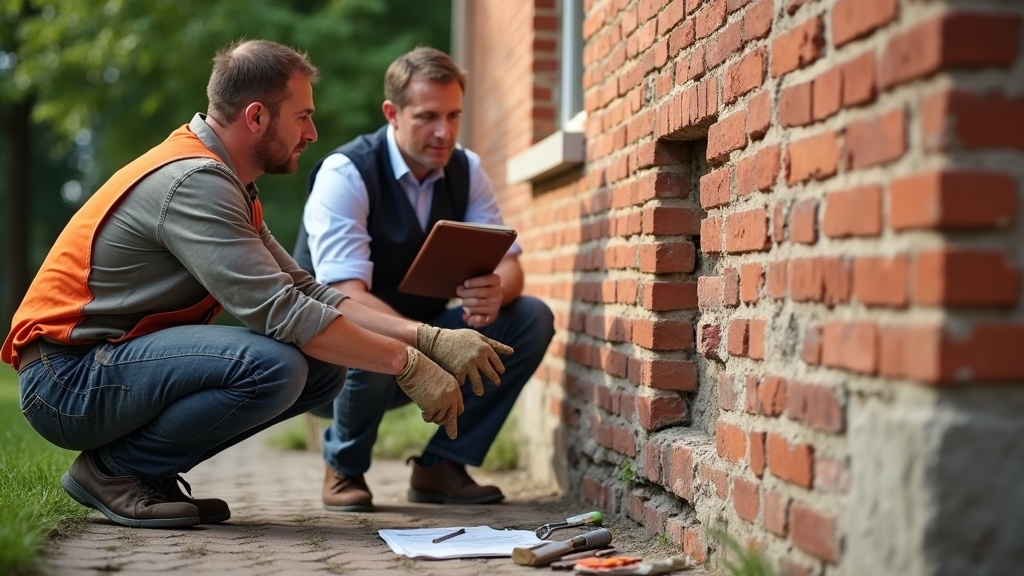
While DIY brick repair can be cost-effective, consulting with professionals can secure the best outcome for your project.
Expert opinions and professional assessments are essential in determining the extent of the damage and identifying the ideal solution. Experienced masons can thoroughly evaluate the bricks, mortar, and overall structure, providing invaluable insights that DIY efforts may overlook.
Professional assessments are crucial to determine the extent of damage and identify the optimal repair solution for your bricks and mortar.
They’ll consider factors like the age of the building, environmental conditions, and potential long-term implications. This expertise allows them to recommend the most effective and durable repair or replacement approach, safeguarding the integrity and aesthetics of your structure.
Although it may require a higher initial investment, professional consultation can save you from costly mistakes and guarantee the longevity of your brick surfaces.
Frequently Asked Questions
What Are the Safety Precautions for DIY Brick Repair?
When doing DIY brick repair, always wear safety gear like gloves and goggles. Use proper tools like a chisel, hammer, and mortar mix. Take safety precautions to avoid injury and guarantee the repair is done correctly.
How Long Does Brick Repair Typically Take to Complete?
Brick repair typically takes 1-3 days to complete, depending on the project’s scope. The timeline can vary, but most DIY repairs can be done in a weekend. Always prioritize safety and follow proper techniques for best results.
Can Damaged Bricks Be Matched With Existing Brickwork?
Yes, you can usually match damaged bricks with existing brickwork using specialized matching techniques. Though some color variations may occur, skilled masons can find bricks that closely blend in with the rest of your home’s exterior.
Is Brick Replacement Covered by Homeowner’s Insurance?
Your homeowner’s insurance may cover brick replacement, but check your policy’s coverage limits. The extent of coverage depends on your specific policy, so review it to understand what’s included for repairing or replacing damaged brickwork.
How Often Should Professional Brick Inspections Be Conducted?
You should get your brick inspected by a professional every 3-5 years. Regular inspections help identify issues early, preventing costly repairs down the line and ensuring your home’s structural integrity. These professional inspections provide invaluable peace of mind.
Final Thoughts
Choosing between brick repair and full brick replacement comes down to understanding the extent of damage, the structural implications, and the long-term costs. Minor cracks, surface deterioration, and localized mortar failure can often be restored affordably with professional repair. But when bricks are severely spalled, shifting, or structurally compromised, full replacement ensures safety, longevity, and a seamless finish.
A skilled masonry professional can diagnose root causes—foundation movement, moisture intrusion, thermal expansion, or improper installation—and recommend the right solution to prevent recurring issues. Investing in expert guidance protects both the appearance and structural integrity of your home while avoiding unnecessary expenses.
At Premiere Masonry Rochester Hills, we provide precise tuckpointing, full masonry restoration, structural lintel repair, expert fireplace & chimney repair, and dependable porch repair & rebuilding. Our craftsmanship blends traditional methods with modern repair standards to ensure durable, long-lasting results.
Not sure whether your home needs brick repair or replacement? Schedule your free consultation through our Contact Page or call Premiere Masonry Rochester Hills today.
Protect your home’s beauty, safety, and value with trusted masonry experts—done right the first time.