
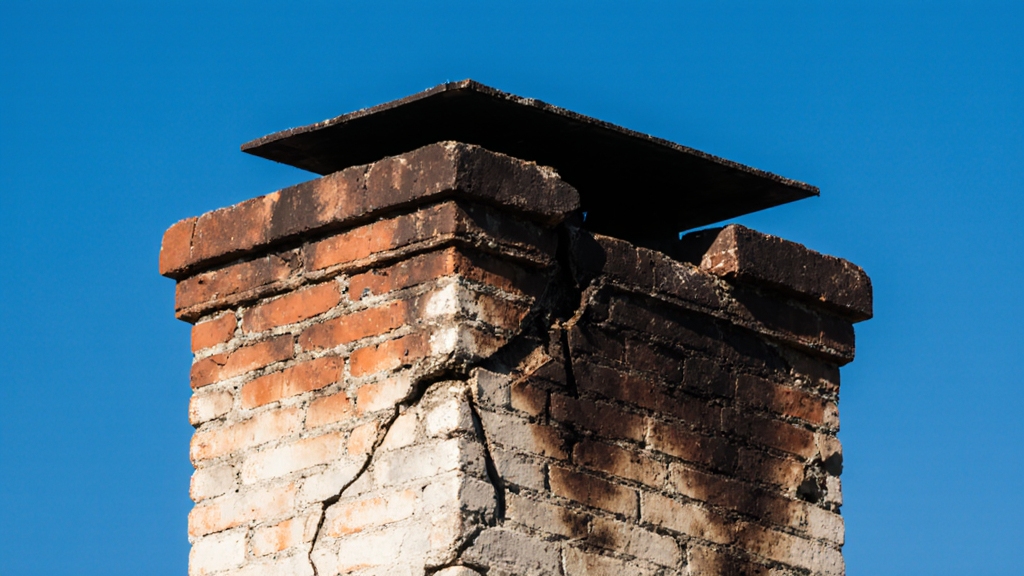
If you own a home with a chimney, you know it’s essential to keep it in good shape. Common issues like creosote buildup, cracks, and leaks can lead to serious hazards if ignored. You might be wondering how to spot these problems and what steps you can take to resolve them. Let’s explore the signs your chimney needs attention and the effective solutions that can guarantee your safety and comfort.
Key Takeaways
- Creosote Buildup: Regular cleaning and inspections prevent dangerous creosote accumulation, indicated by strong odors or dark deposits in the chimney.
- Cracks: Inspect for vertical, horizontal, or step cracks regularly; early detection prevents worsening structural damage and potential leaks.
- Leaks: Check for damaged crowns, flashing, or missing caps; these can lead to moisture intrusion and require prompt repairs.
- Blockages: Ensure flues are clear of debris, nests, or obstructions to maintain proper airflow and prevent smoke backup.
- Professional Help: Seek expert assistance for significant issues like strong smoke odors, visible creosote, or structural damage to ensure safety and compliance.
Understanding the Importance of Chimney Maintenance
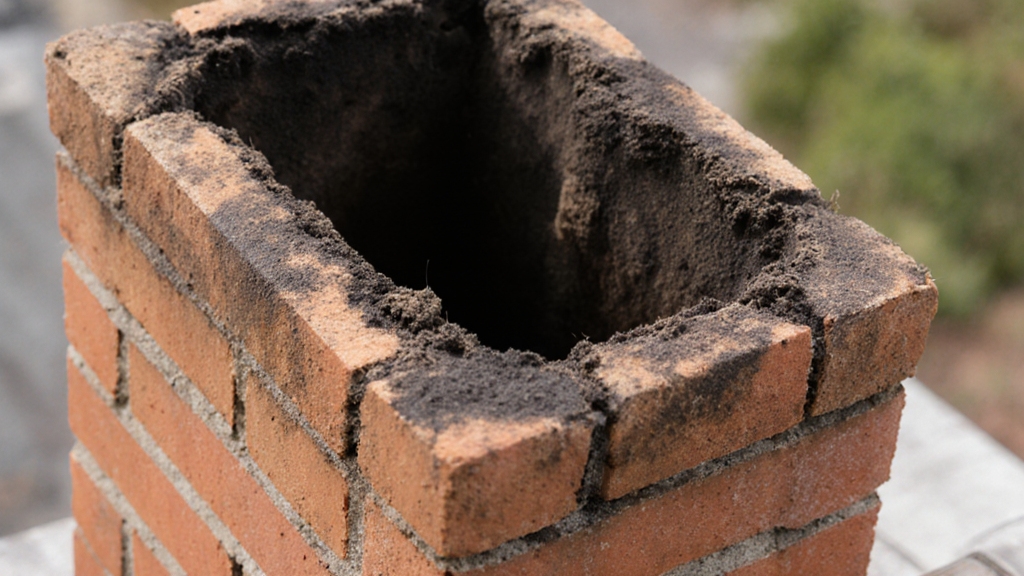
Although you mightn’t think about it often, regular chimney maintenance is essential for both safety and efficiency. Neglecting your chimney can lead to serious hazards like chimney fires or carbon monoxide leaks. To guarantee chimney safety, schedule an annual inspection with a professional. They’ll check for blockages, cracks, and structural issues that could pose risks.
Regular chimney maintenance is crucial for safety; neglect can lead to fires and carbon monoxide leaks. Schedule annual inspections to stay protected.
You should also clean your chimney regularly to remove creosote buildup, which is a leading cause of fires. Consider these maintenance tips: remove debris from the top, check for signs of wear at the base, and verify your chimney cap is intact.
Additionally, if you use your fireplace frequently, you might need more frequent cleanings. By prioritizing chimney maintenance, you not only protect your home but also enhance your heating system’s efficiency.
Taking these steps will give you peace of mind during colder months when you rely on your fireplace the most.
Common Signs Your Chimney Needs Attention
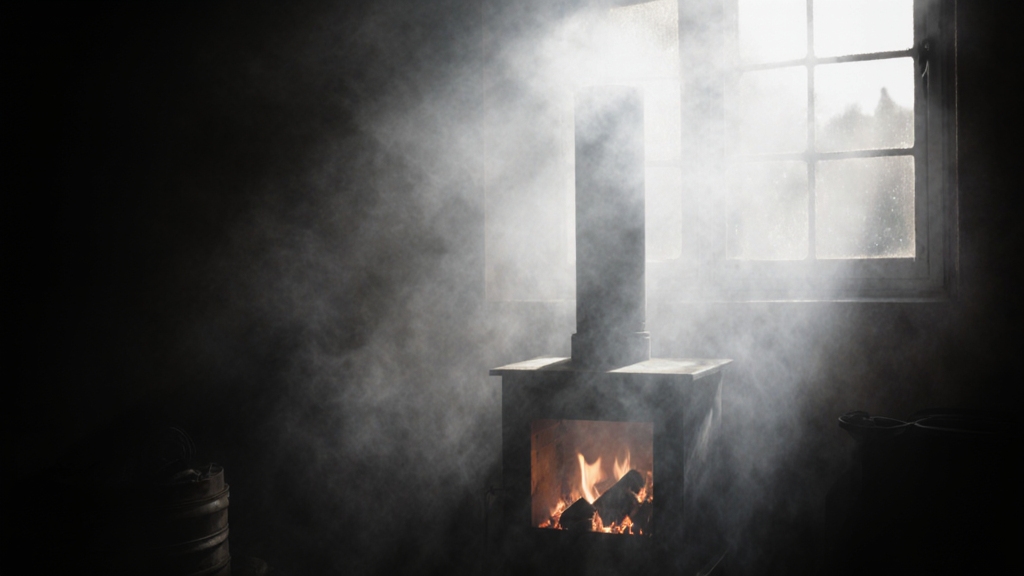
How can you tell if your chimney needs attention? Look out for a few key signs.
First, if you notice a strong odor or smoke backing up into your home, it could indicate a blocked chimney flue. This blockage can lead to dangerous situations, so it’s essential to act quickly.
Next, check the chimney crown for any cracks or damage. A compromised chimney crown can allow water to seep in, leading to further issues down the line.
You might also see discoloration or rust on your chimney, which signals that moisture is causing deterioration.
Finally, if you spot white streaks or efflorescence on your chimney’s exterior, it’s a sign of moisture problems.
Staying vigilant about these signs can help you address issues before they escalate, ensuring your chimney functions safely and efficiently.
How to Spot and Fix Cracks in Your Chimney
When it comes to your chimney, spotting cracks early can save you from costly repairs down the line.
You’ll want to learn about common crack types and the best techniques and materials for fixing them.
Let’s get started on how to keep your chimney safe and sound.
Identifying Common Crack Types
Chimneys can develop various types of cracks over time, and identifying them early is essential for maintaining safety and efficiency.
Common crack types include vertical, horizontal, and step cracks, each indicating different issues. Vertical cracks often appear on the chimney’s sides, usually due to settling or temperature changes. Horizontal cracks may form at the base, often linked to moisture damage or structural movement. Step cracks typically appear around the chimney’s crown and can signal problems with the flashing.
To find these crack locations, inspect your chimney regularly, especially after severe weather. Look for gaps or chips in the masonry, and pay attention to any signs of water intrusion.
Early detection can prevent more extensive damage down the line.
Repair Techniques and Materials
While spotting cracks in your chimney is essential for safety, knowing how to repair them is just as important. You can use various repair techniques and materials to guarantee your chimney stays in good shape. Here’s a quick guide:
| Repair Technique | Suitable Repair Materials | Ideal For |
| Epoxy Injection | Epoxy sealant | Small hairline cracks |
| Masonry Patch | Mortar mix | Larger cracks |
| Chimney Crown Coating | Waterproof sealant | Crown damage |
| Flashing Repair | Sheet metal | Leaks around flashing |
Start with cleaning the damaged area, then apply the chosen repair material. Always follow manufacturer instructions for the best results. Regular maintenance will keep your chimney safe and functional.
How to Identify and Remove Creosote Buildup in Your Chimney
If you’re using your fireplace regularly, keeping an eye out for creosote buildup is vital.
You’ll want to watch for specific signs, like a strong odor or dark, tar-like residue.
Knowing how to clean it effectively can help guarantee your chimney stays safe and functional.
Signs Of Creosote Buildup
As you enjoy the warmth of your fireplace, it’s important to keep an eye out for signs of creosote buildup in your chimney.
Recognizing these signs early can help you avoid the creosote dangers that come with neglecting your chimney.
Look for:
- A strong, smoky odor when the fireplace isn’t in use
- Dark, tar-like deposits on your flue or chimney walls
- A buildup of soot in your firebox
- Difficulty starting or maintaining a fire
Addressing these indicators promptly is key to buildup prevention.
Regular inspections can guarantee your chimney remains safe and efficient, allowing you to enjoy cozy fires without worry.
Staying vigilant about these signs will protect your home and guarantee a pleasant fireplace experience.
Cleaning Methods Overview
To keep your chimney in top shape, it’s vital to know how to identify and remove creosote buildup effectively. Start by inspecting your chimney regularly—look for dark, tar-like deposits, which indicate creosote accumulation.
You can use different brush types to tackle this issue; a wire brush is great for heavy buildup, while a poly brush works well for lighter deposits.
Cleaning frequency is key—do it at least once a year, or more often if you use your fireplace frequently. If you’re uncomfortable doing it yourself, consider hiring a professional.
Regular maintenance not only prevents dangerous chimney fires but also guarantees your fireplace operates efficiently, keeping your home cozy and safe.
How to Identify and Fix Common Causes of Chimney Leaks
Identifying and fixing chimney leaks can save you from costly repairs down the line. Here are some common causes to watch for during leak detection:
- Cracked chimney crown: Inspect for visible cracks that can allow water in.
- Damaged flashing: Look for gaps or rusted areas where the chimney meets the roof.
- Deteriorated mortar joints: Check for crumbling mortar that needs repointing.
- Missing chimney cap: A cap prevents rain and debris from entering the flue.
Once you identify the source of the leak, you can explore various repair solutions. For minor cracks, use a waterproof sealant to patch them.
If flashing is damaged, consider replacing it with new materials. Repointing mortar joints can strengthen the structure, while installing a proper chimney cap will protect against future leaks.
Regular maintenance and inspections will also help you stay ahead of potential problems.
How to Spot Blockages in Your Chimney Flue?
You might notice signs of smoke backing up into your home or unpleasant odors lingering in the air, which could indicate a blockage in your chimney flue.
Additionally, if you’re experiencing decreased draft efficiency, it’s time to investigate further.
Addressing these issues early can prevent more serious problems down the line.
Signs Of Smoke Backup
When smoke starts to fill your home instead of venting outside, it’s a clear sign something’s wrong with your chimney flue. Effective smoke detection is vital for your safety, and recognizing smoke backup can help you address issues early.
Here are some common signs to watch for:
- Unpleasant odors lingering in your home
- A sudden increase in smoke or soot around the fireplace
- Smoke escaping through the stove or fireplace instead of the flue
- Unexplained creosote buildup on your chimney walls
These backup causes could indicate blockages or structural issues.
If you notice any of these signs, don’t wait—address the problem immediately to guarantee your chimney functions properly and safely.
Unpleasant Odors Present
How can you tell if unpleasant odors in your home are a sign of chimney flue blockages? First, pay attention to the type of odors. If you notice a musty, smoky, or burnt smell, it might indicate that something’s stuck in your flue.
Look for odor sources like creosote buildup, which can occur from insufficient ventilation or burning wet wood. Another sign is the presence of soot or debris around your fireplace.
If you’ve cleaned your home but still smell these odors, it’s time to investigate further. A blocked flue can trap these unpleasant odors, making your living space uncomfortable.
Regular inspections and cleanings can help keep your chimney clear and your home smelling fresh.
Decreased Draft Efficiency
Unpleasant odors aren’t the only sign that something might be wrong with your chimney flue. Decreased draft efficiency often points to blockages that can cause serious airflow issues.
You should look for the following signs:
- Smoke backing up into your home
- Difficulty lighting your fire
- Soot buildup around the fireplace
- Unusual noises from the chimney
Performing a draft assessment can help identify these problems early. If you notice any of these indicators, it’s crucial to investigate further.
Blockages can lead to dangerous situations, including chimney fires or carbon monoxide buildup. Regular inspections and cleanings can prevent these issues and guarantee your chimney operates efficiently.
Don’t wait; address airflow issues promptly to keep your home safe.
How a Chimney Cap Protects Your Home and How to Install One
A chimney cap is vital for protecting your home from various hazards, as it prevents debris, animals, and moisture from entering your chimney. Here are some key chimney cap benefits and installation tips to help you understand why it’s important:
| Benefit | Description | Installation Tips |
| Debris Protection | Keeps leaves and twigs out of your chimney | Measure your flue size first |
| Animal Prevention | Stops birds and squirrels from nesting | Use a screen with small openings |
| Moisture Barrier | Reduces water damage from rain and snow | make certain of a secure fit to avoid leaks |
| Improved Draft | Enhances airflow for better combustion | Follow the manufacturer’s instructions |
| Increased Lifespan | Extends the life of your chimney system | Regularly check for wear and tear |
How to Spot Structural Damage in Your Chimney
Ever wondered if your chimney might be hiding structural damage? Spotting these issues early can save you time and money.
Here are some chimney inspection techniques to keep in mind:
- Cracks: Look for vertical or horizontal cracks in the masonry.
- Chimney Leaning: Check if your chimney leans to one side or appears unstable.
- Water Damage: Notice any signs of water stains or erosion on the exterior.
- Flue Blockages: Verify that the flue is clear; blockages can indicate deeper issues.
Performing a regular structural integrity evaluation can help you identify problems before they escalate.
If you notice any of these signs, it’s essential to consult a professional. They can provide a thorough assessment and recommend necessary repairs.
Being proactive not only protects your chimney but also your home’s safety and value.
Essential Chimney Maintenance Practices for Safe Cleaning
While regular chimney maintenance may seem challenging, it’s essential for ensuring safe and efficient operation. To keep your chimney in top shape, start by establishing a maintenance schedule. Aim to inspect and clean your chimney at least once a year, especially before the heating season begins.
Utilize effective chimney cleaning techniques, like using a chimney brush and vacuum, to remove soot and creosote buildup. It’s important to check for blockages, such as bird nests or debris, that could obstruct airflow.
Employ proper chimney cleaning methods, utilizing a brush and vacuum, while checking for blockages to ensure optimal airflow.
Additionally, consider using chimney cleaning logs, which can help reduce creosote buildup between cleanings. Don’t forget to inspect the exterior for cracks or damage that could affect performance.
Following these practices not only enhances safety but also improves your chimney’s efficiency, ensuring you enjoy warm, cozy fires without worry. Remember, a well-maintained chimney means peace of mind for you and your home.
When to Call a Professional Chimney Sweep?
How can you tell when it’s time to call a professional chimney sweep? Knowing when to schedule a visit can save you from serious issues down the line. Here are some signs of urgency that indicate it’s time to reach out for help:
- You notice a strong smell of smoke in your home.
- Creosote buildup is visible inside the chimney.
- You see cracks or damage on the chimney structure.
- Smoke or fumes are entering your living space.
If you experience any of these problems, don’t hesitate to call a professional. It’s better to address these issues sooner rather than later.
Regular inspections and cleanings can prevent hazardous situations and guarantee your chimney operates safely. A professional chimney sweep has the expertise to identify and resolve issues effectively, giving you peace of mind.
Preventing Wildlife Intrusions in Your Chimney
After ensuring your chimney is safe for use, it’s important to protect it from unwanted visitors.
Wildlife, such as birds and squirrels, can find their way into your chimney, posing risks to both your home and their safety. Installing chimney screens is one of the best ways to prevent these intrusions. They act as a barrier, keeping animals out while still allowing smoke to escape.
Protect your home by installing chimney screens to keep wildlife out while ensuring smoke can still escape.
Additionally, consider using wildlife deterrents around your home. These can include natural repellents or strategically placed decoys that discourage animals from approaching your chimney.
Regularly inspect your chimney for any signs of damage or gaps where wildlife might enter.
When and How to Upgrade Your Chimney System
When should you contemplate upgrading your chimney system? It’s essential to evaluate your chimney regularly and look for signs that indicate it’s time for some upgrades.
Here are a few key indicators:
- Poor draft or smoke backflow
- Frequent creosote buildup
- Cracks in the flue or chimney structure
- Higher energy bills or reduced heating efficiency
Chimney system upgrades can greatly enhance your home’s safety and efficiency. If you notice any of the above issues, you might want to contemplate improvements such as installing a new liner or upgrading your cap and flashing.
These changes not only prevent costly repairs down the line but also promote chimney efficiency improvements, ensuring your system works effectively.
Don’t hesitate to consult a professional if you’re unsure; they can guide you on the best upgrades for your specific needs. Taking action now will save you headaches in the future!
What to Expect From Regular Chimney Inspections
Regular chimney inspections are essential for maintaining safety and efficiency in your home. By scheduling these inspections, you can catch potential issues early, guaranteeing your chimney operates smoothly. The recommended inspection frequency is at least once a year, especially if you use your fireplace regularly.
Here are some key chimney inspection benefits you can expect:
| Benefit | Description |
| Safety Assurance | Identifies hazards like creosote buildup or cracks. |
| Increased Efficiency | Guarantees proper airflow for better heating. |
| Cost Savings | Prevents costly repairs by addressing issues early. |
During an inspection, a professional checks the structure, flue, and overall functionality. This proactive approach not only keeps your chimney in top shape but also provides peace of mind for you and your family. Don’t overlook the importance of regular inspections!
Frequently Asked Questions
How Often Should I Have My Chimney Inspected?
You should schedule a chimney inspection at least once a year for ideal safety. Regular inspections help catch issues early, so remember these chimney maintenance tips to keep your fireplace functioning efficiently and safely.
What Are the Costs Associated With Chimney Repairs?
Chimney repair costs can vary widely, typically ranging from $100 to over $1,000, depending on the issue. Regular maintenance expenses, like inspections and cleaning, help prevent larger problems and save you money in the long run.
Can I Clean My Chimney Myself?
Yes, you can clean your chimney yourself using DIY methods, but it requires proper tools and safety precautions. If you’re unsure or uncomfortable, hiring a professional might be the best option for thorough cleaning.
What Safety Gear Do I Need for Chimney Maintenance?
You’ll need safety goggles to protect your eyes from debris and work gloves to shield your hands while handling tools and materials. These items are essential for a safe and effective chimney maintenance experience.
How Do Weather Conditions Affect My Chimney?
Weather conditions can considerably impact your chimney. Rain and snow can cause chimney leaks, while extreme temperatures may lead to weather damage. Regular inspections help you catch issues early and maintain your chimney’s integrity.
Final Thoughts
Staying proactive with chimney care is one of the simplest ways to protect your home’s comfort and safety. If you’ve noticed warning signs like cracks, leaks, creosote buildup, smoke backup, or persistent odors, addressing them early can help prevent bigger (and more expensive) problems later.
If you’d rather have a trusted local team take a closer look, Premiere Masonry Rochester Hills is here to help. Explore our full range of masonry solutions on our Services page, or visit our dedicated Fireplace and Chimney Repair & Rebuilding service if your chimney needs repairs. For masonry issues tied to mortar deterioration or aging brickwork, you can also learn more about Tuckpointing and Masonry Restoration.
Ready to get expert guidance? Request an estimate through our Contact page or call 248-720-5626.