
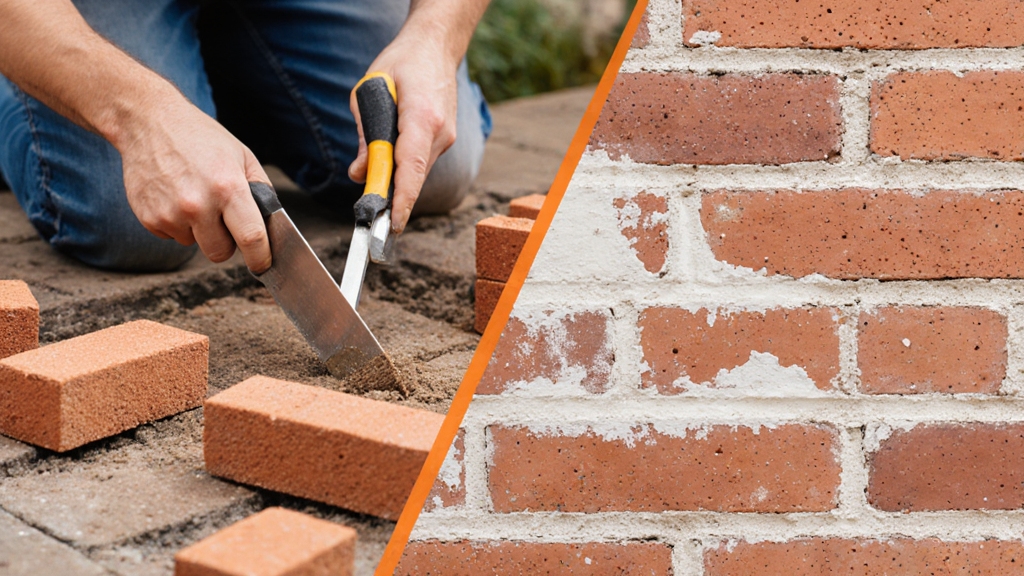
When it comes to brick repair, you’re faced with a vital choice: tackle it yourself or hire a professional. Each option has its pros and cons, and it’s important to weigh your skills, the job’s complexity, and the damage extent. You might think DIY is a money-saver, but the effort involved can be significant. Before you decide, consider what factors will truly impact your outcome and your home’s integrity.
Key Takeaways
- Assess the extent of damage: Extensive issues like large cracks or shifting bricks often require professional expertise for safe repairs.
- Evaluate your skills: Consider your comfort level with DIY tasks and whether you have the necessary experience for brick repair.
- Factor in costs: DIY may seem cheaper, but don’t forget to include tool and material expenses, while professionals provide quality at a higher upfront cost.
- Consider time and effort: DIY repairs can take longer due to research and unexpected challenges; professionals often complete repairs efficiently.
- Choose quality materials: Professionals typically use higher-grade materials designed for durability and compatibility, contributing to longer-lasting repairs.
Signs You Need Brick Repair
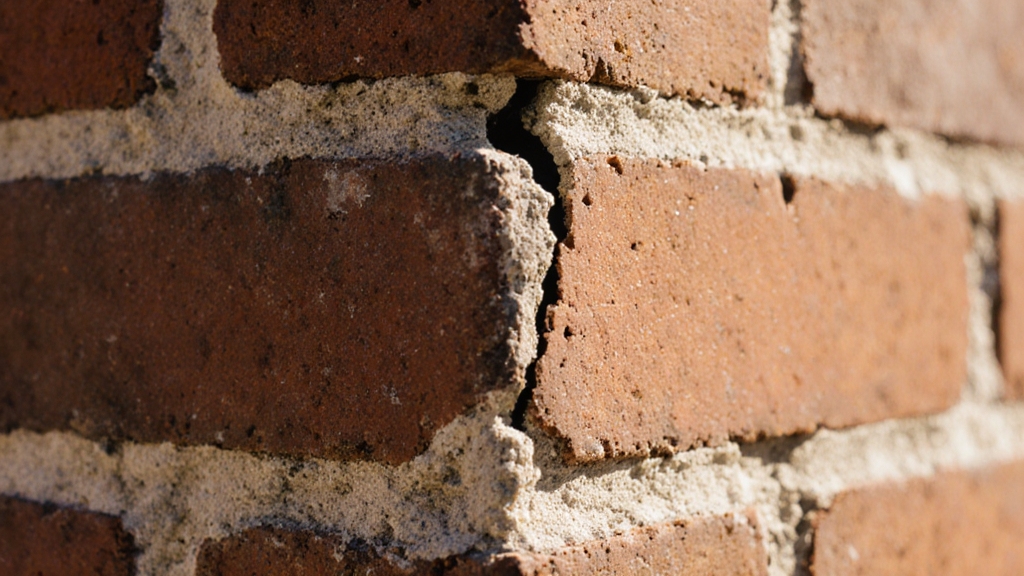
Have you noticed cracks or shifting in your brickwork? These are common brick deterioration signs that shouldn’t be ignored.
You might see horizontal or vertical cracks, which often indicate structural issues. If you find bricks that are loose or crumbling, that’s another repair urgency indicator.
Pay attention to mortar joints, too; if they’re crumbling or missing, it can lead to further damage. Water stains or efflorescence can signal moisture issues, which may compromise the integrity of your brickwork.
Crumbling or missing mortar joints can lead to serious damage, while water stains may indicate moisture problems affecting your bricks.
Observe any uneven settling or sagging, as this can point to foundational problems. If you spot any of these signs, it’s essential to take action.
Early intervention can prevent more extensive damage and higher repair costs down the line. By understanding these indicators, you can make informed decisions about maintaining your brick structure effectively.
DIY vs. Professional Brick Repair: Which Is Right for You?
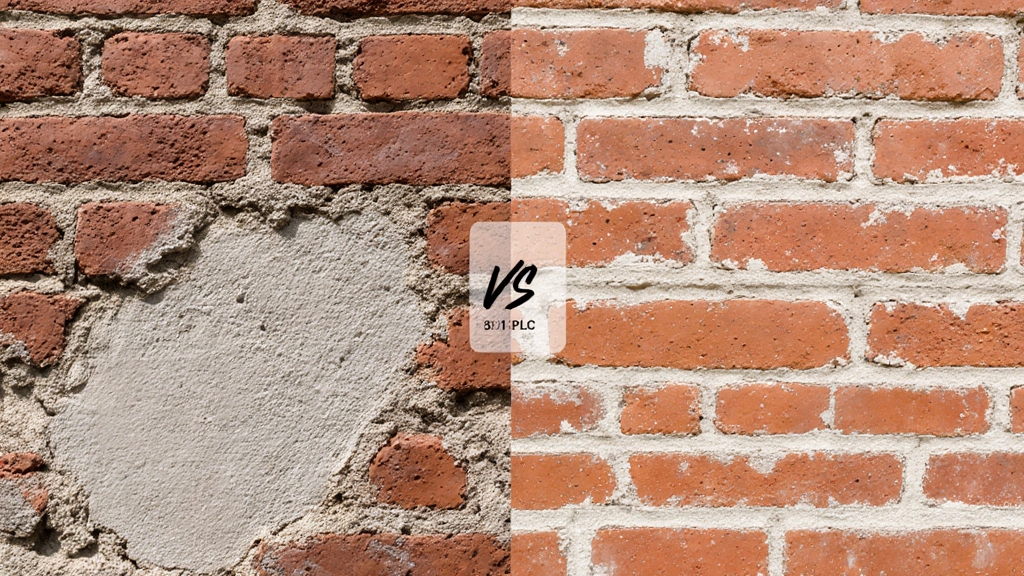
When considering brick repair, you’ve got to weigh your skills and experience against the complexity of the job.
Cost and time are also key factors; DIY might save you money but could take more effort than you expect.
Let’s explore whether tackling the project yourself or hiring a pro is the better choice for you.
Skills And Experience Required
While tackling brick repair yourself can be rewarding, it requires a specific set of skills and experience that not everyone possesses.
Start with a skill assessment—do you know how to mix mortar, choose the right bricks, or handle tools safely? If you’re unsure about these basics, it might be a sign to reconsider.
Next, conduct an experience evaluation. Have you tackled similar projects before, or is this your first time working with brick? Professionals bring years of hands-on experience to the table, ensuring a high-quality outcome.
If you feel confident in your skills and have some prior experience, DIY could be a great option. However, if you’re hesitant, hiring a pro might save you time and stress.
Cost Considerations
Evaluating your skills and experience is just the beginning. Next, you’ll want to contemplate your repair budget and how it aligns with your options.
DIY repairs might seem cheaper initially, but don’t forget to factor in costs for tools, materials, and any mistakes you might make. Proper material sourcing can save you money, but it requires time and knowledge to find the right supplies at the best prices.
On the other hand, hiring a professional often means higher upfront costs, but you get peace of mind knowing the job’s done right. Balancing your budget against your comfort level with DIY tasks will help you decide which path to take.
Choose wisely based on your financial situation and project needs.
Time And Effort
Deciding between DIY brick repair and hiring a professional hinges considerably on the time and effort you’re willing to invest. If you’re looking to save money and possess basic skills, a DIY approach might seem appealing.
However, consider the time investment required for research, gathering materials, and executing repairs. You may find it takes far longer than anticipated, especially if unexpected issues arise.
On the other hand, hiring a professional can streamline the process. They bring expertise and efficiency, allowing you to focus on other priorities.
An effort assessment is essential: are you prepared for a potentially labor-intensive task, or would you prefer to hand it over to someone experienced? Ultimately, your decision should align with your available time and energy.
Evaluating Your Skill Level for DIY Projects
How can you determine if a DIY brick repair project is right for you? Start with a project evaluation of your skills and experience. Assess your DIY confidence by considering past projects and how comfortable you are with tools.
| Skill Level | Description |
| Beginner | Little to no experience |
| Intermediate | Some completed projects |
| Advanced | Confident with tools and techniques |
| Expert | Extensive experience and skills |
If you’re a beginner, it might be wise to consult a professional. However, if you feel intermediate or advanced, you might find the challenge rewarding. Remember, your skill level will impact the quality of the repair and your overall satisfaction. Taking the time to evaluate your abilities guarantees you make the right choice for your brick repair project.
What to Expect in Costs for Brick Repair
When it comes to brick repair, understanding costs is essential.
You’ll need to take into account both labor and material expenses, which can vary widely based on several factors.
Let’s explore the average repair costs and what influences them so you can budget effectively.
Average Repair Costs
While brick repair costs can vary considerably based on factors like the extent of damage and local labor rates, you can generally expect to pay between $300 and $2,000 for most repair jobs.
To help with your budget planning, here are some average repair estimates you might encounter:
- Minor cracks: $300 – $600
- Loose bricks: $500 – $1,000
- Major structural damage: $1,000 – $2,000
- Water damage repairs: $800 – $1,500
- Repointing brickwork: $1,000 – $2,000
Keep in mind that these figures can fluctuate based on your location and the specific issues at hand.
Always get multiple quotes to guarantee you’re making informed decisions and staying within your budget.
Labor vs. Material Expenses
Understanding the balance between labor and material expenses is essential for anyone tackling brick repair.
When you consider DIY versus hiring a professional, it’s important to weigh labor costs against the quality of materials you’ll need. If you choose to do it yourself, you might save on labor, but you’ll still need to invest in good-quality bricks, mortar, and tools.
On the other hand, hiring a professional means you’ll pay for their expertise, which often includes a guarantee on their work. Keep in mind that lower material quality can lead to higher long-term costs due to the need for repairs sooner than expected.
Ultimately, evaluating both labor and material expenses will help you make a well-informed decision.
Factors Affecting Pricing
Several factors influence the pricing for brick repair, and being aware of them can help you budget effectively.
Understanding these aspects can make a considerable difference in your project costs.
- Type of Repair Needed: Minor repairs are typically cheaper than extensive renovations.
- Material Quality: Higher-quality bricks and mortar will increase costs.
- Labor Costs: Professional labor rates can vary greatly based on regional pricing.
- Market Trends: Fluctuations in demand can affect overall pricing.
- Accessibility: Hard-to-reach areas may require special equipment, driving up expenses.
Essential Tools for Successful DIY Brick Repair
To tackle DIY brick repair effectively, having the right tools at your disposal is crucial. These tools will not only streamline the process but also guarantee you achieve quality results. Here’s a quick guide on what you’ll need:
| Tool | Purpose | Tips |
| Wire Brush | For cleaning bricks using brick cleaning techniques | Make sure it’s sturdy for tough grime |
| Trowel | For applying mortar | Use the right size for brick joints |
| Mortar Mixer | To mix your mortar | Follow mortar mixing tips for best results |
| Chisel | For removing damaged bricks | Choose a chisel that fits your bricks |
Equipped with these tools, you’re ready to clean and repair your bricks efficiently. Remember, the right tools can make all the difference in achieving a professional-looking finish.
How to Assess Your Brick Repair Project Scope
How do you determine the extent of your brick repair needs? Start with a thorough project evaluation to identify the specific issues affecting your bricks. This will help you define your repair scope more clearly.
Here are some key factors to assess:
- Visual Inspection: Look for cracks, chips, or loose bricks.
- Location Assessment: Identify areas prone to moisture or structural stress.
- Brick Condition: Check for signs of wear, such as crumbling mortar or discolored bricks.
- Extent of Damage: Evaluate whether you need simple patching or extensive replacement.
- Future Maintenance: Think about long-term care to prevent recurring issues.
When Should You Call a Pro for Brick Repair?
If you notice extensive damage to your brickwork, it’s time to contemplate calling a pro.
Ignoring major cracks or shifting bricks can compromise your home’s structural integrity.
A professional assessment can guarantee your repairs are thorough and safe.
Extensive Damage Assessment
While many brick repairs can be tackled as DIY projects, there are times when extensive damage makes it necessary to call in a professional.
If you notice significant issues, it’s important to assess the damage types and choose appropriate assessment methods. Here are some signs that indicate you should seek expert help:
- Large cracks or shifting bricks
- Water damage or mold growth
- Crumbling mortar or bricks
- Widespread efflorescence (white powdery substance)
- Structural shifts in adjacent areas
Ignoring these signs can lead to more severe problems.
A professional can provide a thorough evaluation and recommend the best course of action to restore your brickwork effectively.
Don’t hesitate to reach out when the damage is beyond your skill level!
Structural Integrity Concerns
Recognizing the signs of extensive damage is just the first step in maintaining your brickwork. If you notice cracks in your load bearing bricks or significant separation between bricks, it’s time to call a professional.
These issues often indicate underlying masonry weaknesses that require expert assessment. DIY repairs might fix superficial problems, but they won’t address the structural integrity of your home.
If your brickwork shows signs of bulging, sagging, or water infiltration, don’t hesitate to reach out to a pro. They can evaluate the situation and guarantee your home remains safe and secure.
Why Hiring a Professional for Brick Repair Is Beneficial
When you face brick damage, hiring a professional can save you time and guarantee quality work.
Professionals bring expert techniques that confirm the repair is done correctly, enhancing project efficiency.
Here are some benefits of choosing a professional for your brick repair:
- Quality Assurance: Professionals guarantee high-quality results that align with industry standards.
- Time-Saving: They can complete repairs faster, letting you focus on other important tasks.
- Safety: Professionals know how to handle heavy materials and work at heights, reducing the risk of accidents.
- Access to Tools: They come equipped with specialized tools that can make repairs more efficient and effective.
- Long-Term Solutions: A professional can identify underlying issues, confirming that repairs last for years to come.
Cost Comparison: DIY vs. Professional
Choosing between DIY brick repair and hiring a professional often comes down to cost, but it’s crucial to weigh the immediate savings against potential long-term expenses.
When you opt for DIY, you’ll need to purchase DIY materials like mortar, bricks, and sealants. While these costs can be lower than hiring someone, consider that you might lack the experience to avoid mistakes, which can lead to costly repairs later.
On the other hand, professionals come equipped with specialized tools and years of expertise. Their services might appear pricier upfront, but they often guarantee a quality job that prevents future issues.
Additionally, professionals can typically complete the work faster, saving you time and potential stress.
Ultimately, if you’re confident in your skills and ready for the investment in materials, DIY could save you money. However, if you want peace of mind and lasting results, hiring a professional might be worth the extra expense.
Understanding Warranty and Liability in Brick Repair
While cost is a significant factor in deciding between DIY and professional brick repair, warranty and liability issues also play an essential role. Understanding these aspects can help you make an informed choice that protects your investment.
- Warranty Coverage: Professionals often provide warranty coverage, ensuring their work is guaranteed for a specific period.
- Liability Issues: If something goes wrong, pros usually carry liability insurance, which protects you from potential damages.
- DIY Risks: Without a warranty, DIY repairs may leave you liable for any future problems that arise.
- Long-term Value: Professional repairs can save you money in the long run by reducing the risk of costly mistakes.
- Peace of Mind: Choosing a professional can give you confidence that the job will be done right.
Time Commitment for DIY vs. Professional Repairs
When considering brick repair, think about how much time you can realistically commit to a DIY project.
While you might save some money, these repairs can take a considerable amount of time, especially if you’re not experienced.
On the other hand, professional services often complete the job much faster, letting you focus on other priorities.
Estimated Time for DIY
Although you might enjoy the satisfaction of tackling a DIY brick repair project, it’s essential to reflect on the time commitment involved. Depending on the extent of the damage, your project timeline can vary considerably.
Here are a few factors to take into account:
- Tool selection: Gathering the right tools can take time, especially if you need to rent or purchase them.
- Preparation: Cleaning the area and removing damaged bricks can be labor-intensive.
- Skill level: Your experience with similar projects may impact how quickly you work.
- Drying time: Mortar or adhesive may require several hours to set before proceeding.
- Weather conditions: Outdoor conditions can affect your working hours and progress.
Assessing these elements will help you gauge the total time needed.
Speed of Professional Services
If you’re weighing the time commitment of DIY brick repair against hiring professionals, it’s clear that professional services often provide a significant speed advantage.
When you choose experts, you benefit from their experience and tools, which dramatically shortens repair timelines. While you might spend weekends tackling a DIY project, professionals can usually complete the job in a matter of hours or days.
Their service efficiency guarantees that repairs are done correctly the first time, reducing the likelihood of future issues.
Plus, you won’t have to juggle your personal schedule around a lengthy DIY process. Ultimately, if time is a factor for you, opting for professional brick repair can save you both time and stress in the long run.
How to Find a Reliable Brick Repair Contractor
Finding a reliable brick repair contractor can seem challenging, but knowing what to look for makes the process easier. Start by gathering contractor references from friends, family, or neighbors who’ve had similar work done. This can give you a trustworthy starting point.
Next, check online reviews on platforms like Yelp or Google to gauge customer satisfaction.
When evaluating contractors, consider the following:
- Experience in brick repair
- Licensing and insurance
- Detailed estimates and timelines
- Strong communication skills
- A portfolio of previous work
After narrowing down your options, schedule consultations to discuss your project. This not only helps you assess their expertise but also allows you to evaluate their professionalism.
Safety Considerations for DIY Brick Repair
When tackling DIY brick repair, it’s essential to prioritize safety to prevent accidents and injuries. You should always wear appropriate protective gear to shield yourself from potential hazards. This includes gloves, safety goggles, and a dust mask to protect against debris and dust inhalation.
Here’s a quick guide to help you remember important safety measures:
| Safety Measure | Purpose |
| Protective Gloves | Prevent cuts and abrasions |
| Safety Goggles | Protect eyes from dust and debris |
| Dust Mask | Prevent inhalation of particles |
| Sturdy Footwear | Protect feet from falling objects |
Quality of Materials: DIY vs. Professional Grade
While you might be tempted to save money by using DIY materials for brick repair, the quality of those materials can considerably impact the longevity and effectiveness of your work.
Professional-grade materials often offer superior material durability, ensuring that your repairs last longer and withstand environmental challenges. In contrast, DIY materials may not provide the same level of protection, leading to potential issues down the road.
Investing in professional-grade materials enhances durability and ensures long-lasting repairs against environmental challenges.
Here are some factors to evaluate when choosing materials for brick repair:
- Strength: Professional materials are often engineered for higher strength.
- Weather Resistance: Quality materials resist moisture and temperature fluctuations better.
- Color Matching: Professionals use materials that blend seamlessly with existing bricks.
- Longevity: Higher quality materials contribute to repair longevity.
- Warranty: Professional materials often come with warranties, providing peace of mind.
Investing in better materials now can save you time and money later.
The Long-Term Impact of Improper Brick Repairs
Improper brick repairs can lead to significant long-term consequences that may far outweigh any initial savings. When you opt for quick fixes or low-quality materials, you risk encountering repair failures that could compromise your structure’s integrity.
For instance, cracks can expand, allowing water to seep in and cause further damage, like mold growth or even foundation issues.
Additionally, these failures can decrease your home’s value and lead to costly repairs down the line. You might think you’re saving money now, but those savings could vanish if you have to redo the work later or face structural issues.
Understanding the potential long-term consequences of your repair choices is vital. It’s worth considering whether a professional’s expertise might save you from future headaches and expenses.
Ultimately, investing in quality repairs upfront can protect your home and your wallet in the long run.
Tips for Successful DIY Brick Repair Projects
Before diving into your DIY brick repair project, it’s essential to gather the right tools and materials to secure success.
Start with solid project planning and preparation steps to avoid common mistakes. Make certain you know the repair techniques suitable for your specific brick type.
Here’s a quick checklist of tools needed:
- Safety gear (gloves, goggles, mask)
- Trowel for applying mortar
- Chisel for removing damaged bricks
- Level to guarantee even surfaces
- Mortar mix for proper material selection
Once you’ve gathered your tools, focus on the maintenance tips that will prolong the lifespan of your repair.
Regularly inspect your work and address any issues promptly. Following these guidelines will help you achieve a successful DIY brick repair project and keep your structure looking great for years to come!
Frequently Asked Questions
How Do Weather Conditions Affect Brick Repair Timing?
Weather impacts brick repair timing considerably. You should consider seasonal conditions; extreme temperatures or rain can delay repairs. Planning around milder weather guarantees better adhesion and durability, leading to a longer-lasting brick repair.
Are There Specific Building Codes for Brick Repair?
Yes, there’re specific building codes for brick repair that you must follow. These regulations guarantee safety standards are met, protecting both the structure and its occupants. Always check local guidelines before starting any project.
What Types of Bricks Are Best for Repairs?
For repairs, you’ll want to use clay bricks for their durability and aesthetic appeal, or concrete bricks for strength and cost-effectiveness. Choose based on your specific needs and the surrounding environment for best results.
Can I Use Regular Mortar for Brick Repairs?
You can’t use regular mortar for brick repairs, as it may not bond well. Instead, choose mortar types specifically designed for repairs and apply proper repair techniques to guarantee durability and structural integrity.
How Do I Maintain My Bricks After Repair?
To maintain your bricks after repair, apply a high-quality brick sealing product. Regularly inspect for cracks and moisture, clean debris, and follow maintenance tips to prolong their lifespan and keep them looking great.
Final Thoughts
DIY brick repair can be a smart option for small, surface-level fixes—especially if you have the right tools, time, and confidence to match mortar properly and work safely. But when brick damage involves spreading cracks, loose or shifting sections, failing mortar joints, moisture intrusion, or structural concerns, professional repair is often the safer and more cost-effective choice long term.
If you’re unsure which route makes sense for your project, Premiere Masonry Rochester Hills can help you evaluate the scope and recommend the right solution. Explore our full Services, or learn more about targeted solutions like Tuckpointing, Masonry Restoration, and Lintel Repair. If your repair involves exterior structures, we also handle Porch Repair and Rebuilding.
To get a quote or schedule an inspection, visit our Contact page or call 248-720-5626.