

To prevent mortar erosion in brick walls, start by choosing the right mortar mix suited for your climate and brick type. Regularly inspect your walls for cracks, discoloration, or loose mortar, and address issues promptly. Effective drainage systems and waterproof membranes can help protect against moisture. Seasonal cleaning and maintenance will enhance durability and aesthetics. By taking these steps, you’ll guarantee your brick walls remain strong and attractive. Discover more tips to keep your home in top shape.
Key Takeaways
- Choose the right mortar type based on local climate and brick material for enhanced durability and strength.
- Conduct seasonal inspections to identify and address cracks, discoloration, or loose mortar promptly.
- Implement effective drainage systems and apply waterproof barriers to prevent moisture infiltration.
- Regularly clean brick surfaces to eliminate debris that can trap moisture and lead to erosion.
- Consider professional help for repairs to ensure proper techniques and materials are used, minimizing long-term risks.
Essential Strategies for Preventing Mortar Erosion
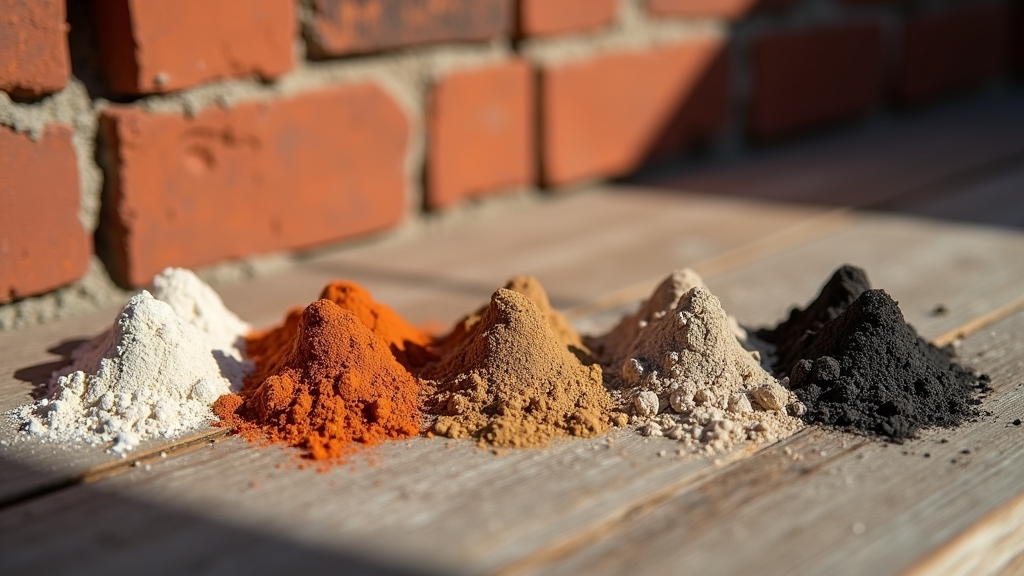
To effectively prevent mortar erosion, you need to implement a few key strategies. Start by selecting the right mortar types that suit your local climate and the specific brick you’re using.
Regular maintenance frequency is essential; inspect your walls at least seasonally to catch early signs of wear. Pay attention to environmental factors like moisture control, which can considerably impact brick durability.
Regular inspections and moisture control are vital to maintaining brick durability and preventing wear.
Use effective repair techniques promptly to address any cracks or gaps that may compromise structural integrity. Weather impacts, such as freeze-thaw cycles, can exacerbate erosion, so consider protective coatings where needed.
Implementing erosion prevention methods, like proper drainage systems, can further safeguard your walls. By staying proactive and vigilant, you enhance both the aesthetic and functional longevity of your brickwork.
Signs Your Mortar Needs Attention
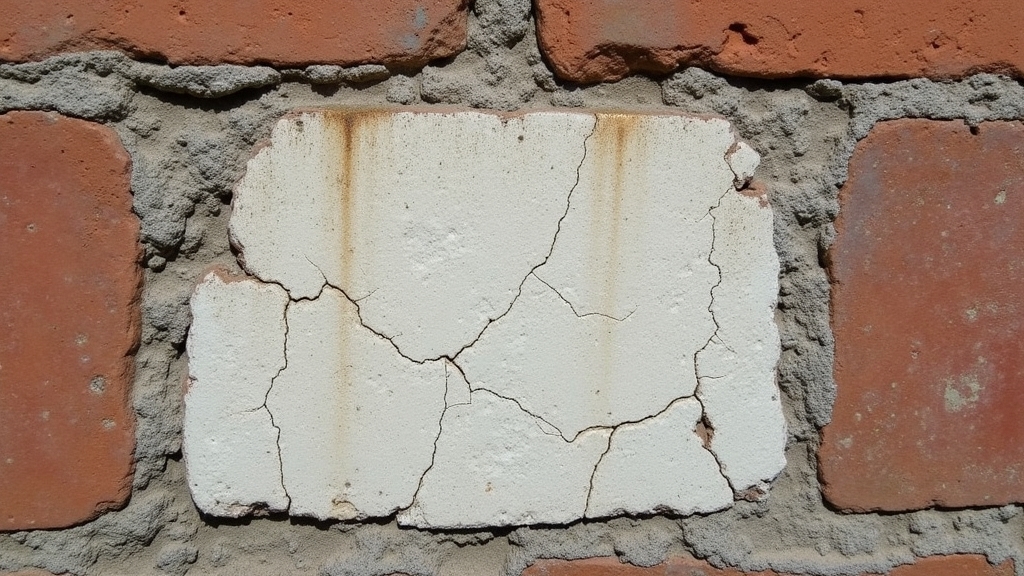
You might notice cracks in your mortar joints or see discoloration and staining on your walls.
These issues are clear signs that your mortar needs attention. Ignoring them could lead to bigger problems down the line, so it’s essential to act quickly.
Cracks In Mortar Joints
While it might seem minor at first, cracks in mortar joints can be a significant indicator that your mortar needs attention. Regular mortar joint inspection helps identify these issues early.
Common cracking causes include weather impacts, such as freeze-thaw cycles, which affect joint flexibility. If you notice cracks, consider appropriate repair techniques like tuckpointing or repointing to restore strength. Additionally, explore sealing options to prevent moisture intrusion, which can exacerbate erosion.
Maintaining a consistent maintenance frequency is essential; checking your mortar at least once a year can prevent small problems from escalating. Keep an eye out for erosion indicators, as they can signal deeper issues that need prompt resolution to preserve your brick walls.
Discoloration Or Staining Issues
Discoloration or staining can often signal underlying issues with your mortar that deserve attention. Common discoloration causes include moisture intrusion, efflorescence, or the presence of mold. These can weaken the mortar and compromise the integrity of your brick wall.
If you notice dark stains or white powdery residue, it’s time to investigate further.
To tackle these problems, focus on staining prevention techniques. Guarantee proper drainage around your walls, seal the mortar, and maintain gutters to divert water away.
Regularly inspect your brickwork for signs of wear and tear, as early detection can save you from costly repairs later. By addressing discoloration promptly, you can protect both the appearance and longevity of your brick walls.
Understanding Mortar Erosion in Brick Walls
Understanding mortar erosion in brick walls is essential for maintaining the structural integrity of your home. Mortar composition plays an important role in how well your walls withstand environmental factors like moisture and temperature changes. Seasonal impacts can accelerate erosion, making regular maintenance frequency crucial.
Here’s a quick overview of key considerations:
| Factor | Importance | Impact on Erosion |
| Mortar Composition | Affects strength and durability | Poor quality leads to faster erosion |
| Environmental Factors | Weather conditions influence wear | Increased moisture weakens mortar |
| Maintenance Frequency | Regular checks prevent major issues | Infrequent upkeep causes deterioration |
| Repair Techniques | Methods used can vary | Proper repairs extend lifespan |
| Aesthetic Considerations | Visual appeal of repair work | Poor repairs can detract from beauty |
Understanding these aspects can help you make informed decisions about preserving your brick walls.
Common Causes of Mortar Erosion
When it comes to mortar erosion, water damage and temperature fluctuations are two key culprits you need to watch out for.
Water can seep into cracks, weakening the mortar over time, while drastic temperature changes can cause expansion and contraction that leads to further deterioration.
Understanding these factors helps you take proactive steps in preserving your brick walls.
Water Damage Risks
Water damage is one of the top culprits behind mortar erosion, and it can sneak up on you in various forms. Whether it’s heavy rain, poor drainage, or faulty gutters, water infiltration can lead to significant issues. To combat this, effective moisture control is essential.
Here’s a quick look at common water damage risks:
| Cause | Effect on Mortar | Prevention Measures |
| Heavy Rain | Eroded joints | Install gutters |
| Poor Drainage | Standing water | Improve drainage systems |
| Faulty Gutters | Overflow and leaks | Regular inspections |
| Sprinkler Systems | Excess moisture | Adjust sprinkler angles |
| Snow Accumulation | Freeze-thaw cycles | Clear snow promptly |
Temperature Fluctuation Effects
Temperature fluctuations can wreak havoc on mortar, causing it to crack and erode over time. As you experience temperature extremes and seasonal changes, the effects on your brick walls can be profound.
The thermal expansion and contraction from heating impacts and cooling effects lead to significant stress on the mortar. Additionally, humidity fluctuations exacerbate moisture retention, making your walls vulnerable.
- Cracks that let water seep in
- Erosion that weakens structural integrity
- Aesthetic decline of your property
- Increased repair costs over time
- Stress from potential safety hazards
Understanding these factors can help you take preventative measures, ensuring your brick walls withstand the test of time against freeze-thaw cycles and temperature-induced damage.
Choosing the Right Mortar Mix for Your Brick
Choosing the right mortar mix for your brick is essential since it directly impacts the durability and appearance of your structure.
Start by understanding the various mortar types available, such as Type N, S, or M, each suited for different applications. If your brickwork will face high stress or harsh conditions, opt for a stronger mix like Type S.
Next, focus on mixing techniques. Aim for a consistent, workable blend that’s neither too wet nor too dry. Use the right water-to-cement ratio for ideal bonding.
It’s often recommended to mix small batches to maintain quality, especially if you’re new to the process. Pay attention to curing times as well; proper curing helps the mortar achieve its full strength.
How Weather Contributes to Mortar Erosion
Mortar erosion often stems from various weather conditions that can weaken your brickwork over time. Understanding how these elements interact can help you take preventive measures.
- Constant rain intensity can wash away mortar, exposing bricks.
- Seasonal changes lead to freeze-thaw cycles, causing cracks.
- High humidity variations increase moisture levels, promoting mold growth.
- Temperature extremes can expand and contract the mortar, leading to fractures.
- Wind effects can carry debris that erodes your brick surfaces.
The climate impact on your home is significant. Each of these factors contributes to the deterioration of mortar, making it essential to monitor your brick walls.
By being aware of how weather patterns affect your structure, you can better protect your investment and maintain the beauty and integrity of your home.
Take action now to prevent potential damage from the elements!
How to Waterproof Your Brick Walls Effectively
How can you effectively waterproof your brick walls to prevent erosion? Start by applying waterproof membranes that create a strong barrier against moisture.
Follow up with sealant application to enhance protection. Consider using moisture barriers and vapor barriers for added security, ensuring that water doesn’t penetrate your walls.
Incorporate brick treatments and surface coatings designed specifically for brick surfaces; these will repel water while allowing the wall to breathe.
Don’t forget about insulation techniques that can help regulate temperature and reduce moisture buildup.
Regular maintenance schedules are essential—check for cracks or damage and address them promptly.
Finally, while you focus on waterproofing, keep drainage solutions in mind to direct water away from your walls.
How Proper Drainage Prevents Mortar Erosion
Proper drainage is vital for protecting your mortar from erosion.
By ensuring correct grading and maintaining your gutters, you can direct water away from your walls effectively.
Let’s explore some essential tips for installing a reliable drainage system that keeps your masonry safe.
Importance Of Proper Grading
When you guarantee proper grading around your structures, you greatly reduce the risk of mortar erosion.
Effective grading techniques, focused on slope management and soil composition, help direct water away from your brick walls. This proactive landscape design guarantees ideal drainage patterns, enhancing foundation stability and moisture control.
- Protect your investment from costly repairs.
- Make certain your home stands strong against the elements.
- Maintain the beauty of your brickwork for years to come.
- Enjoy peace of mind knowing you’re preventing erosion.
- Enhance your property’s value through proper maintenance.
Gutter Maintenance Best Practices
While maintaining your gutters might seem like a small task, it plays an essential role in preventing mortar erosion. Regular gutter cleaning and leaf removal guarantee unobstructed water flow, reducing the risk of overflow. Schedule seasonal checks for debris clearing and downspout inspection to maintain proper pitch and effective drainage. Consider adding gutter guards to minimize future clogs. Here’s a quick checklist to help you stay on top of gutter maintenance:
| Task | Frequency | Notes |
| Gutter Cleaning | Every 6 months | Remove leaves and debris |
| Downspout Inspection | Seasonal | Check for blockages |
| Leaf Removal | Fall | Prevent clogs during heavy rain |
| Drainage Check | Annually | Guarantee proper pitch and flow |
| Overflow Solutions | As needed | Address any drainage issues promptly |
Drainage System Installation Tips
Installing an effective drainage system is essential for protecting your property from mortar erosion. Proper drainage solutions can greatly extend the life of your brick walls.
Start with a thorough site evaluation to understand your landscape grading and natural water flow. Choose quality installation materials and focus on proper trench design for efficient pipe placement.
Here are some key tips to take into account:
- Guarantee effective sediment control to keep your drainage clear.
- Regularly check drainage maintenance to prevent blockages.
- Manage soil effectively to enhance water absorption.
- Use appropriate materials to withstand environmental conditions.
- Plan for seasonal changes in water flow.
Routine Maintenance Tips for Brick Walls
To keep your brick walls in top shape, regular maintenance is essential. Start with seasonal checks to assess any damage from environmental factors. Use masonry tools for surface cleaning, removing dirt and debris that can trap moisture. This helps with moisture control and aids in erosion prevention.
Don’t forget to inspect the joints regularly. Look for cracks or loose mortar, which can compromise the structural integrity of your walls. If you notice any issues, consider timely repairs to maintain both functionality and aesthetic improvements.
Finally, apply brick sealing to protect against water infiltration and further erosion.
Signs You Need to Repoint Your Mortar?
After keeping up with routine maintenance, it’s important to recognize when your mortar needs repointing. Ignoring signs of deterioration can lead to costly repairs down the line.
Here are some key indicators:
Key indicators of mortar deterioration include cracks, water stains, and increased drafts—stay vigilant to prevent costly repairs.
- Cracks or gaps in the mortar
- Loose or crumbling mortar
- Water stains on interior walls
- Mold or mildew growth
- Increased drafts or energy bills
Using effective mortar inspection techniques during seasonal maintenance can help you spot these issues early.
If you notice any of these signs, don’t hesitate to take action. Repointing not only enhances your brick wall’s appearance but also protects your home against moisture and pests.
Keeping a close eye on your mortar will save you time, money, and stress in the long run. So, make it a habit to monitor your walls regularly!
Tools You Need for Mortar Repair
When tackling mortar repair, having the right tools makes all the difference. You’ll want to focus on effective tool selection to guarantee your project runs smoothly. Here’s a handy table to guide your choices:
| Tool | Purpose |
| Trowel | Applying the mortar mix |
| Mortar mixer | Mixing mortar for consistency |
| Chisel | Removing old mortar |
Before you start, consider your budget and whether you need equipment rental. Proper project planning is essential, so establish a maintenance schedule to prevent future erosion. Don’t forget safety precautions; wearing gloves and goggles will keep you safe while you work. Finally, make sure your workspace setup is organized, and have cleaning tools on hand to tidy up once you’re done. With these tools, you’ll be well-equipped for successful mortar repair.
DIY vs. Hiring a Professional for Repairs
Choosing between DIY repairs and hiring a professional can greatly impact your project’s outcome. If you’re considering DIY techniques, think about your skills assessment and whether you’re comfortable with the project complexity. While you might save on cost considerations, the time investment and repair duration can quickly add up.
- You could miss essential safety precautions.
- Mistakes can lead to more extensive damage.
- Selecting the wrong materials might compromise longevity.
- Stress from managing the project can be overwhelming.
- A professional’s expertise can guarantee a flawless finish.
On the other hand, hiring a professional brings valuable experience in material selection and long-term planning. They can streamline the process and minimize risks, making certain your repairs stand the test of time.
Ultimately, weigh your options carefully, considering both your capabilities and the importance of a sturdy, well-maintained brick wall.
Affordable Solutions for Mortar Erosion
To effectively tackle mortar erosion without breaking the bank, you can start by adopting regular maintenance practices that keep your mortar in good shape.
Using quality sealants and coatings can also provide an extra layer of protection.
Plus, exploring affordable repair techniques guarantees you address any issues without overspending.
Regular Maintenance Practices
Maintaining your mortar is key to preventing erosion and extending the life of your masonry. Regular checks and upkeep make all the difference.
Here are some essential seasonal maintenance tips to keep in mind:
- Inspect for cracks or crumbling mortar during warm months.
- Clear debris from joints to allow proper drainage.
- Use mortar inspection techniques to identify early signs of wear.
- Reseal gaps before winter to protect against moisture.
- Schedule periodic deep cleaning to prevent buildup.
Quality Sealants and Coatings
Proper maintenance not only includes regular inspections but also the application of quality sealants and coatings. These products can markedly reduce the risk of mortar erosion in brick walls.
When choosing sealant types, consider options like penetrating sealants, which soak into the mortar, or topical sealants that create a protective layer. Each type has its benefits, so think about your specific needs.
Coating applications also play an essential role. A well-applied coating can shield your masonry from moisture and environmental damage.
Always verify the surface is clean and dry before application for the best results. By investing in these quality products, you’re taking a proactive step toward preserving your brick walls and extending their lifespan.
Affordable Repair Techniques
Addressing mortar erosion doesn’t have to break the bank. You can tackle this issue with some cost-effective solutions that fit your budget. By using DIY techniques and affordable repair kits, you’ll find that restoration methods can be simple and effective.
Here are some tips to contemplate:
- Regular seasonal checks keep you ahead of erosion.
- Proper mortar mixing enhances durability.
- Smart material selection prevents future issues.
- Set up maintenance schedules to stay on track.
- Learn basic repair techniques for swift fixes.
With these strategies, you can guarantee your brick walls remain strong and beautiful without overspending. Embrace the challenge, and you’ll be proud of your handiwork!
Sustainable Practices for Brick Wall Maintenance
While many homeowners focus on aesthetics, sustainable practices for brick wall maintenance can greatly enhance both longevity and environmental impact.
Start by using eco-friendly materials when repairing or replacing bricks. Opt for natural sealants that protect your walls without harmful chemicals.
For routine upkeep, consider sustainable cleaning methods that minimize water usage and avoid toxic substances.
Incorporate energy-efficient insulation to improve your home’s overall efficiency, which can reduce heating and cooling costs.
Installing moisture barriers is essential to prevent water damage, helping maintain the integrity of your brick walls.
Choose permeable surfaces around your foundation to allow water drainage while preventing erosion.
Lastly, embrace green maintenance by using biodegradable treatments that are safe for your family and the environment.
These practices not only preserve your brick walls but also contribute to a healthier living space.
Long-Term Benefits of Preventing Mortar Erosion
Preventing mortar erosion not only safeguards the structural integrity of your brick walls but also saves you money in the long run.
By addressing this issue early, you guarantee long-term durability, minimizing costly repairs and reducing maintenance frequency. This proactive approach enhances your property value and preserves the aesthetic appeal of your home.
Consider these benefits:
- Long-term durability of your brick structure
- Cost savings from fewer repairs
- Aesthetic preservation that keeps your home visually appealing
- Increased property value when it’s time to sell
- Positive environmental impact by reducing waste
Frequently Asked Questions
Can I Use Regular Cement Instead of Mortar for Repairs?
You can’t use regular cement instead of mortar for repairs. Different mortar types are designed for flexibility and adhesion. For effective repair techniques, stick to the appropriate mortar mix to guarantee lasting results.
How Often Should I Inspect My Brick Walls for Erosion?
You should inspect your brick walls at least twice a year. Regular checks as part of your maintenance schedule help catch erosion early. Use techniques like visual assessments and moisture detection to guarantee long-lasting integrity.
What Is the Lifespan of Mortar in Brick Walls?
Mortar in brick walls typically lasts 20 to 30 years, depending on its composition and weather effects. Regular inspections help you identify issues early, ensuring your walls remain strong and aesthetically pleasing for longer.
Can Animals Contribute to Mortar Erosion in Brick Walls?
Yes, animals can contribute to mortar erosion in brick walls. Their behavior, such as burrowing or scratching, creates erosion factors that weaken the mortar over time, leading to potential structural issues you’ll need to address.
What Are the Environmental Impacts of Mortar Erosion?
Mortar erosion affects soil composition and can alter local ecosystems. It disrupts drainage, impacting plant growth, while changing weather patterns may accelerate erosion, leading to increased runoff and sedimentation in nearby waterways.
Final Thoughts
Mortar erosion is one of those small issues that can turn into major brick damage if it’s ignored. With routine inspections, proper moisture control, and timely repairs, you can protect the strength and curb appeal of your brickwork for years.
If you’ve noticed cracking, crumbling joints, or staining, it may be time for professional tuckpointing ormasonry restoration. At PREMIERE MASONRY ROCHESTER HILLS, we help homeowners in Rochester Hills identify the cause of mortar breakdown and fix it the right way to prevent repeat damage.
Ready to protect your brick walls before the damage spreads? Visit our Services page to see how we can help, then contact us for a free quote or call 248-720-5626 to schedule an inspection.