
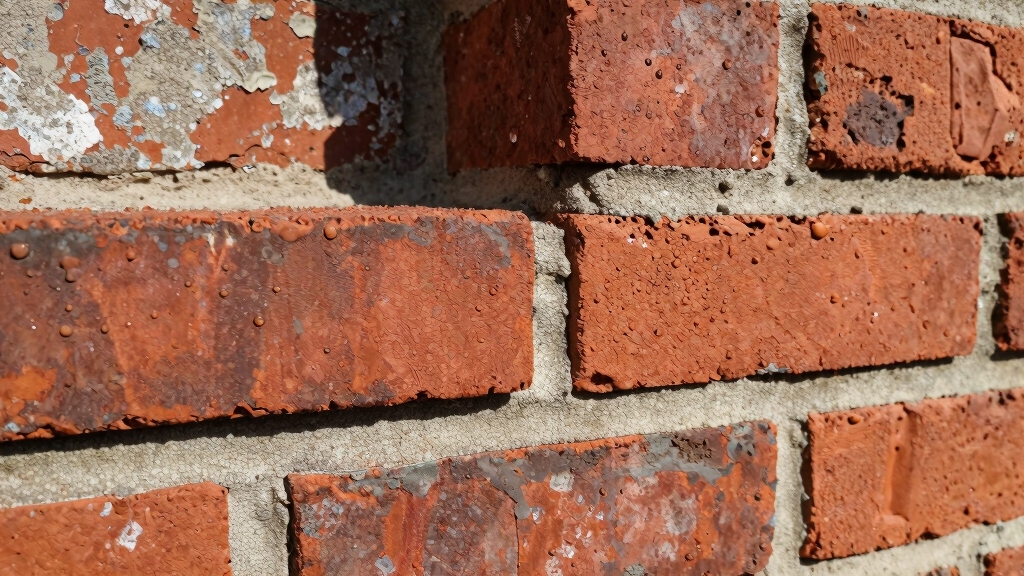
Tuckpointing’s essential for your brick’s longevity because it repairs mortar joints, preventing water infiltration and preserving structural integrity. When you notice cracks, crumbling, or discoloration in your brickwork, it’s a sign tuckpointing is needed. High-quality mortar is vital; it withstands weather and accommodates brick movement. Regular maintenance can save you costly repairs down the line. Plus, proper tuckpointing enhances your property’s appearance and value. Discover more about its benefits and how often you should schedule it.
Key Takeaways
- Tuckpointing repairs compromised mortar joints, maintaining structural integrity and preventing further damage to brick walls.
- Regular tuckpointing extends the lifespan of masonry by addressing minor issues before they escalate into costly repairs.
- High-quality mortar used during tuckpointing ensures compatibility with brick, resisting moisture and accommodating natural movement.
- Tuckpointing revitalizes the appearance of aging bricks, enhancing curb appeal and potentially increasing property value.
- Seasonal inspections and timely tuckpointing prevent water infiltration, safeguarding against mold and structural deterioration.
Key Signs Your Brick Needs Tuckpointing

Have you noticed cracks or gaps in your brickwork? These signs often indicate that your bricks need attention.
Check the mortar color; if it’s crumbling or discolored, it may be losing its integrity. Healthy mortar should match the hue of your bricks and maintain a consistent appearance. If you see uneven wear or missing mortar in specific areas, this could disrupt the brick patterns, leading to further damage.
Inspect the mortar for crumbling or discoloration; healthy mortar should match your bricks and ensure a cohesive look.
Also, pay attention to water stains or efflorescence on your bricks. These can signal moisture issues, which often stem from weakened joints.
If you spot any of these signs, it’s essential to act quickly. Ignoring them can lead to more severe structural problems down the line.
Regularly inspecting your brickwork helps guarantee your home stays strong and aesthetically pleasing. Don’t let small issues turn into major repairs!
What Is Tuckpointing and Why Is It Needed?

Tuckpointing is the process of repairing the mortar joints in brickwork to maintain structural integrity.
You need it to prevent water damage and guarantee your building looks its best.
Importance of Mortar Integrity
While brick walls may seem sturdy, their longevity relies heavily on the integrity of the mortar that binds them. Mortar composition plays an essential role in maintaining structural stability, ensuring bricks stay firmly in place. A compromised mortar can lead to cracks, allowing water infiltration and further damage.
Here’s a quick look at mortar integrity:
| Aspect | Importance |
| Composition | Affects durability and adhesion |
| Flexibility | Allows movement without cracking |
| Water Resistance | Prevents moisture damage |
Preventing Water Damage
As moisture seeps into the gaps of your brickwork, it can wreak havoc on the structure, making tuckpointing an important maintenance task.
Water infiltration can lead to serious issues like mold growth, structural weakening, and even brick spalling. By filling those gaps with fresh mortar, tuckpointing helps prevent moisture from settling in and causing damage.
This process not only safeguards your home but also promotes brick preservation, extending the life of your masonry.
Regular tuckpointing guarantees that your brickwork remains sound and visually appealing, avoiding costly repairs down the line.
Aesthetic Restoration Benefits
Many homeowners may not realize that tuckpointing isn’t just a structural necessity; it’s also essential for aesthetic restoration. When you tuckpoint, you’re not just repairing mortar joints; you’re enhancing the visual appeal of your brickwork. This process creates clean, sharp lines that can make your home stand out, adding aesthetic enhancements that elevate its overall look.
Moreover, tuckpointing helps maintain the historical significance of older buildings, preserving their character and charm. By restoring the original beauty of your brick facade, you’re not only boosting curb appeal but also protecting your investment.
Understanding the Tuckpointing Process
When you tackle tuckpointing, knowing the right tools is essential for success.
You’ll want to understand the step-by-step procedure to guarantee you get it done correctly.
Be prepared to face some common challenges along the way, but don’t worry—it’s all part of the process!
Tools Required For Tuckpointing
Tuckpointing requires a specific set of tools to guarantee a successful repair and enhance the longevity of your brickwork.
First, you’ll need a tuckpointing trowel, which allows you to apply mortar precisely into the joints. A mortar mix is essential, too; choose one that matches your existing brickwork for a seamless look.
You’ll also want a joint raker or grinder to remove old mortar effectively. For cleaning, a wire brush or power washer can help prep the surface.
Finally, safety gear, including gloves and goggles, is vital to protect yourself during the process.
With the right tuckpointing tools and essential equipment, you’ll be well-equipped to restore your brick structure efficiently.
Step-By-Step Procedure
Having gathered the necessary tools, you’re ready to tackle the tuckpointing process. Start by selecting the right mortar; it’s essential for matching your brick’s color and composition.
Next, using a chisel, remove deteriorated mortar to a depth of about half an inch. Clean the joints thoroughly to eliminate dust and debris, ensuring proper adhesion.
Now, mix your mortar according to the manufacturer’s instructions, focusing on the right consistency. Apply the mortar into the joints using a tuckpointing tool, ensuring it’s packed tight.
Use a pointing trowel to smooth the surface, following specific tuckpointing techniques to achieve clean lines. Finally, let it cure properly to strengthen the bond and enhance your bricks’ longevity.
Common Challenges Encountered
As you explore tuckpointing, you might encounter several challenges that can impact the quality of your work. One common issue is matching the mortar color to the existing brick. If the colors don’t align, it can create an unsightly contrast that detracts from your efforts.
Seasonal challenges also play a significant role; extreme temperatures can affect the curing time of the mortar. Cold weather can slow the drying process, while heat can cause it to set too quickly, leading to cracks.
To guarantee success, take your time with preparation and be mindful of the weather. By addressing these challenges head-on, you can achieve a professional finish that enhances the longevity of your brickwork.
Benefits of Tuckpointing for Brick Longevity
When it comes to preserving the integrity of brick structures, tuckpointing offers significant benefits that shouldn’t be overlooked. This process not only enhances the visual appeal of your brickwork but also plays a crucial role in ensuring brick preservation and structural stability.
Here are some key advantages:
- Increased Lifespan: Regular tuckpointing can extend the life of your brick walls.
- Enhanced Aesthetics: It revitalizes the appearance of aging bricks, making them look new.
- Improved Structural Integrity: Filling in gaps prevents water infiltration, which can lead to serious damage.
- Cost-Effective Maintenance: By addressing minor issues early, you can avoid costly repairs down the road.
Investing in tuckpointing now means protecting your brick structure for years to come.
Don’t wait until it’s too late—ensure your bricks remain strong and beautiful with proper care.
Protecting Your Brick From Moisture Damage With Tuckpointing
Moisture control is essential for maintaining your brick’s integrity, and tuckpointing plays a key role in this process.
If you notice signs of deteriorating mortar, it’s time to act before further damage occurs.
Importance Of Moisture Control
While brick structures can add character and charm to your home, they also require vigilant care to prevent moisture damage. Effective moisture management is vital for protecting your brick from water intrusion, which can lead to costly repairs.
Tuckpointing helps seal gaps in mortar, ensuring your structure stays intact. Here’s why moisture control is essential:
- Prevents mold growth and mildew
- Reduces the risk of structural damage
- Enhances energy efficiency by keeping interiors dry
- Maintains aesthetic appeal of your brickwork
Signs Of Deteriorating Mortar
As you inspect your brickwork, you might notice subtle signs that the mortar is deteriorating. Look for mortar discoloration, which can indicate moisture issues.
Crumbling joints are another red flag, as they can lead to loose bricks and increased water infiltration. Efflorescence signs, like white residue on bricks, suggest trapped moisture, while structural cracks may compromise the integrity of your walls.
If you see gaps where mortar once was, it’s a clear sign that repair is needed. Additionally, be aware of pest infestation; deteriorating mortar can create entry points for unwanted critters.
Monitoring the mortar depth can help you gauge deterioration and determine when tuckpointing is essential for maintaining your brickwork’s longevity.
The Aesthetic Impact of Tuckpointing on Brickwork
Tuckpointing not only reinforces the structural integrity of brickwork but also enhances its visual appeal. By carefully renewing the mortar joints, you achieve an aesthetic enhancement that breathes new life into your brick façade.
Tuckpointing revitalizes brickwork, strengthening its structure while beautifully enhancing its visual charm.
This process is especially important for preserving the historical significance of older buildings. Here’s how tuckpointing impacts the look of your brickwork:
- Restores Original Beauty: It removes stains and discoloration, revealing the true color of the bricks.
- Promotes Uniformity: Fresh mortar creates a harmonious appearance, making your property look well-maintained.
- Increases Property Value: A visually appealing exterior can attract potential buyers and boost overall market value.
- Enhances Curb Appeal: A well-tuckpointed building stands out, making a strong first impression on visitors.
Embracing tuckpointing not only safeguards your brickwork but also elevates its charm and character.
Comparing Tuckpointing With Other Brick Maintenance Methods
Maintaining the beauty and integrity of brickwork involves various methods, each with its own advantages and drawbacks. Tuckpointing stands out for its durability, effectively preventing moisture damage and enhancing aesthetic appeal. Compared to other brick maintenance methods, it offers a longer-lasting solution.
Here’s a quick comparison to help you understand:
| Method | Advantages |
| Tuckpointing | High durability, aesthetic enhancement |
| Sealing | Easy application, moisture barrier |
| Repointing | Cost-effective, quick fix |
| Cleaning | Improves appearance, short-term solution |
While sealing and cleaning can be beneficial, they often require frequent reapplication. Tuckpointing, on the other hand, provides a robust solution that minimizes future maintenance. Thus, if you’re serious about brick longevity, tuckpointing should be a top consideration in your brick maintenance strategy.
Common Tuckpointing Mistakes Homeowners Make
When tackling tuckpointing, many homeowners overlook essential details that can compromise the results.
Understanding the common misconceptions surrounding tuckpointing techniques can save you time and money. Here are some mistakes to watch out for:
- Ignoring mortar type: Not using the right mortar can lead to mismatched colors and structural issues.
- Skipping preparation: Failing to clean joints properly before applying new mortar can cause poor adhesion.
- Inconsistent depth: Not maintaining a uniform depth in the joints can affect aesthetics and durability.
- Rushing the curing process: Neglecting to allow adequate curing time can weaken the mortar, leading to future cracks.
Tips for Choosing the Best Tuckpointing Contractor
When you’re choosing a tuckpointing contractor, it’s vital to verify their credentials and experience.
Look for professionals who can showcase their expertise and provide detailed estimates. This will help guarantee you get quality work that lasts.
Verify Contractor Credentials
Before hiring a tuckpointing contractor, it’s essential to verify their credentials to confirm you’re making a sound investment. Here’s what to look for:
- Contractor Licenses: Confirm they’ve the necessary licenses to comply with local regulations.
- Insurance Coverage: Check that they carry adequate insurance to protect against accidents.
- Client Testimonials: Read reviews from previous clients to gauge satisfaction and reliability.
- Project Portfolios: Review their past work to assess quality and style.
Also, consider their industry certifications, reputation checks, and warranty options.
By doing this, you’ll feel more confident in your choice and secure your brickwork’s longevity.
Assess Experience And Expertise
To guarantee you choose the right tuckpointing contractor, assess their experience and expertise carefully.
Look for contractors with a solid track record in various tuckpointing techniques, as this indicates their ability to handle different brick types and conditions.
Ask for examples of past projects and inquire about their approach to mortar selection, which is critical for ensuring long-lasting results.
A knowledgeable contractor should be able to explain the benefits of different mortar types and how they complement your brickwork.
Don’t hesitate to ask for references or reviews to gauge client satisfaction.
Request Detailed Estimates
Having assessed the experience and expertise of potential tuckpointing contractors, the next step is to request detailed estimates. This helps you understand the scope of the work and guarantees you’re making an informed decision.
Here are some tips for obtaining effective quotes:
- Request detailed quotes: Ask for a breakdown of materials, labor, and any additional costs.
- Clarify project timelines: Ensure you know when the work will start and how long it will take.
- Compare multiple estimates: This gives you a broader view of pricing and services.
- Ask about warranties: A reputable contractor should stand behind their work.
Tuckpointing Costs: What to Expect
When considering tuckpointing for your brickwork, it’s essential to know what costs to expect.
Tuckpointing pricing trends can vary considerably based on your location and the extent of work needed. On average, you might pay between $3 and $10 per square foot, but this can fluctuate.
Seasonal tuckpointing considerations also play a role in costs. For instance, many contractors see an uptick in demand during warmer months, which might lead to higher prices.
Conversely, scheduling your tuckpointing during off-peak times can often save you money.
Don’t forget to factor in potential extra charges for repairs or special materials.
Getting detailed estimates from multiple contractors can help you gauge a fair price.
Understanding these elements will empower you to make informed decisions about your brick maintenance, ensuring you get the best value for your investment.
Best Times for Scheduling Tuckpointing?
Choosing the right time for scheduling tuckpointing can greatly impact both the quality of the work and your overall costs.
To guarantee the best results, consider the following seasonal considerations:
To ensure optimal results, pay attention to seasonal factors when planning your tuckpointing project.
- Spring and Fall: Mild temperatures make it easier for the mortar to cure properly.
- Avoid Winter: Cold weather can hinder the curing process and lead to poor adhesion.
- Dry Conditions: Aim for days with low humidity to prevent moisture from interfering with the mortar.
- Scheduling Flexibility: If possible, book your tuckpointing during off-peak seasons to save on costs and secure quicker availability.
Should You DIY Tuckpointing or Hire a Pro?
Are you wondering whether to tackle tuckpointing as a DIY project or hire a professional? While DIY techniques can seem appealing, they often come with risks.
If you have experience in masonry and the right tools, you might handle minor repairs successfully. However, tuckpointing requires precision, and even a small mistake can lead to bigger issues down the line.
On the other hand, hiring a professional brings expertise that can save you time and guarantee quality.
Professionals understand the nuances of mortar types and techniques, which can greatly impact the longevity of your brickwork. They also have the right tools and can identify underlying issues that you might overlook.
Ultimately, weigh your skills against the complexity of your project.
If you’re unsure, investing in professional expertise can provide peace of mind and enhance the durability of your brick structure.
The Role of Mortar Quality in Tuckpointing Success
The quality of mortar plays an essential role in the success of tuckpointing. Choosing the right mortar types can greatly impact both appearance and longevity. Here’s what you should consider for ideal mortar durability:
- Compatibility: Confirm the mortar matches your brick type to avoid damage.
- Strength: Select a mortar mix that can withstand local weather conditions and stresses.
- Water Resistance: Use a mix that minimizes moisture absorption to prevent mold and decay.
- Flexibility: A flexible mortar can better accommodate the natural movement of bricks without cracking.
Investing in high-quality mortar not only enhances the aesthetic appeal but also helps protect your brickwork from future issues.
How Often Should Tuckpointing Be Done?
Maintaining your brickwork’s integrity goes beyond selecting quality mortar; regular tuckpointing is crucial for its longevity. Tuckpointing frequency depends on various factors, including climate, exposure to moisture, and the condition of your bricks. Generally, you should consider tuckpointing every 15 to 20 years, but keep an eye on signs of wear, like cracks or crumbling mortar.
Regular tuckpointing is essential for brickwork longevity, typically every 15 to 20 years, influenced by climate and brick condition.
Seasonal considerations play an important role, too. If you live in an area with harsh winters or heavy rainfall, you might need to tuckpoint more often to protect your bricks from water damage.
It’s wise to inspect your brickwork in the spring and fall, allowing you to address any issues before they worsen. By staying proactive, you can guarantee your brickwork remains sturdy and visually appealing for years to come.
Regular maintenance will save you time and money in the long run.
Tuckpointing and Historical Buildings: Special Considerations
When dealing with historical buildings, you’ll want to approach tuckpointing with extra care.
Historical preservation isn’t just about maintaining structural integrity; it’s also about honoring the building’s original character.
Here are some special considerations to keep in mind:
- Material Match: Use mortar that matches the original in color, texture, and composition.
- Techniques: Employ traditional tuckpointing methods to maintain authenticity.
- Aesthetic Considerations: Verify your work enhances the building’s visual appeal without compromising its historical significance.
- Consult Experts: Work with professionals who specialize in historical buildings for the best results.
Real-Life Case Studies: Tuckpointing Success Stories
By showcasing successful tuckpointing projects, you can see how proper techniques breathe new life into aging brickwork.
One standout example is a historic church in your area, where skilled masons used advanced tuckpointing techniques to restore its façade. They carefully matched the original mortar color and texture, ensuring the building maintained its character while enhancing durability.
A historic church’s façade was revitalized through advanced tuckpointing, preserving its character while boosting durability with a perfect mortar match.
Another case involves a century-old home that had severe mortar deterioration. By applying modern tuckpointing methods, the homeowners not only improved the structure’s integrity but also increased its market value.
The results were striking, with vibrant bricks shining through, free from moisture damage.
These historical examples illustrate that when done correctly, tuckpointing isn’t just maintenance—it’s a revitalization.
Frequently Asked Questions
How Does Weather Affect the Tuckpointing Process?
Weather conditions greatly impact your tuckpointing techniques. Extreme temperatures, rain, or humidity can hinder the curing process and affect adhesion. You’ll want to choose the right time to guarantee a durable, long-lasting finish.
Can Tuckpointing Improve Energy Efficiency in Homes?
Yes, tuckpointing can improve energy efficiency in your home. By enhancing moisture control, it prevents water damage and air leaks, leading to energy savings. Maintaining your brickwork helps keep your home comfortable and lowers utility bills.
What Tools Are Needed for DIY Tuckpointing?
For DIY tuckpointing, you’ll need a tools checklist including a trowel, mortar mixer, pointing tool, and safety gear. Mastering tuckpointing techniques will guarantee a professional finish and maintain your brickwork’s integrity.
Are There Any Warranties for Professional Tuckpointing Services?
Yes, many professional tuckpointing services offer warranties. These tuckpointing warranties typically cover workmanship and materials, guaranteeing your investment is protected. Always ask about warranty details before hiring a service to make sure you’re fully informed.
How Can I Maintain My Bricks After Tuckpointing?
To maintain your bricks after tuckpointing, regularly clean them with gentle methods, avoiding harsh chemicals. Also, apply a mortar sealing product to protect against moisture, ensuring your bricks stay strong and visually appealing for years.
Final Thoughts
Tuckpointing is one of the most effective ways to protect brickwork for the long haul because it restores failing mortar joints before moisture and movement turn minor wear into major structural damage. If you’re noticing cracking, crumbling mortar, gaps, or discoloration, taking action now can help preserve both the strength and appearance of your masonry while avoiding more expensive repairs later.
At PREMIERE MASONRY ROCHESTER HILLS, we specialize in precision tuckpointing that reinforces your brickwork, improves weather resistance, and keeps your home looking its best. If your brick needs more than joint repair, we also provide complete masonry restoration to address deeper deterioration and ensure long-term performance.
If you’re ready to extend the life of your brickwork, review our Services and contact us to schedule an inspection and request a quote.