
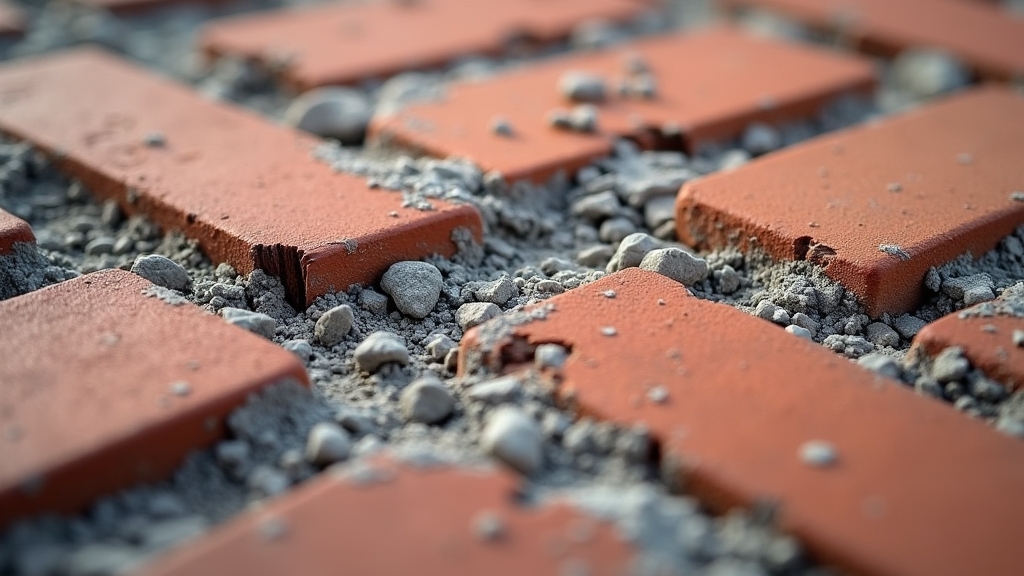
Crumbling mortar, visible cracks, water stains, and discoloration are all signs your brickwork needs repointing. Loose or missing bricks and structural instability like leaning walls are other red flags. A thorough inspection can pinpoint the extent of the damage and guide the best repair solutions. Addressing brick issues promptly prevents further deterioration and extends the life of your structure – learn more about maintaining your brickwork.
Key Takeaways
- Crumbling, missing, or deteriorating mortar between bricks is a clear sign that repointing is needed to maintain structural integrity.
- Visible cracks in the brickwork, whether horizontal, vertical, or stair-step, indicate the necessity for repointing to seal the gaps.
- Water damage, as evidenced by stains, efflorescence, or moisture penetration, requires repointing to address the underlying moisture issues.
- Discoloration or efflorescence on the brickwork suggests moisture problems that should be addressed through repointing.
- Structural instability, such as cracking, crumbling, bulging, or leaning walls, necessitates prompt repointing and reinforcement to prevent safety hazards.
Crumbling Mortar
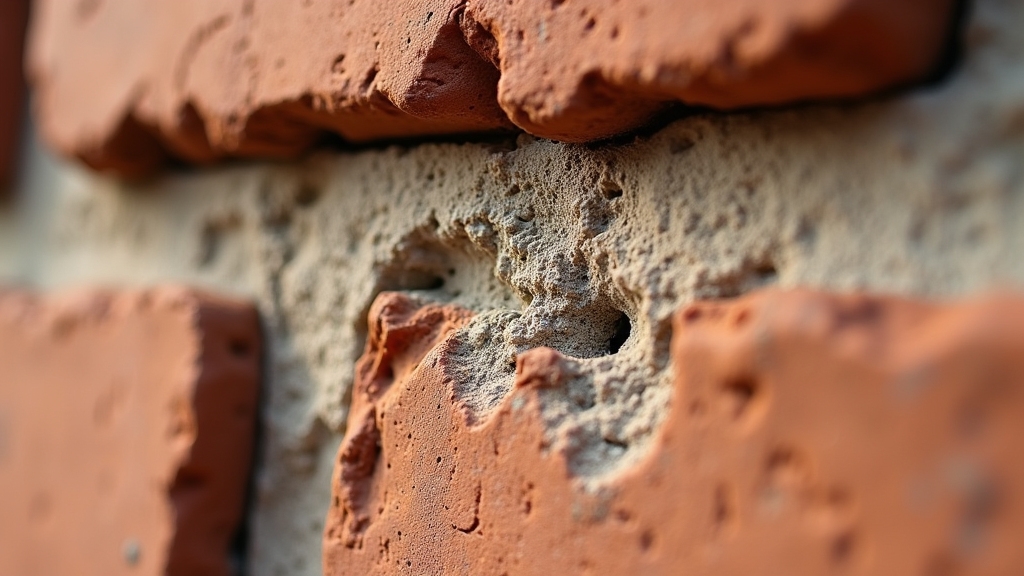
Crumbling mortar is one of the telltale signs that your brick walls need repointing. Over time, the composition of the mortar degrades, causing it to disintegrate and crumble. This can be due to weathering, water damage, or even poor initial installation.
When the mortar begins to fall away, it leaves gaps between the bricks, exposing them to the elements and compromising the structural integrity of your walls. To address this issue, you’ll need to employ professional repair techniques, such as carefully removing the old mortar and replacing it with a new, high-quality mixture that matches the original composition.
Neglecting crumbling mortar can lead to further damage, so it’s crucial to address this problem promptly to maintain the durability and appearance of your brick walls.
Visible Cracks
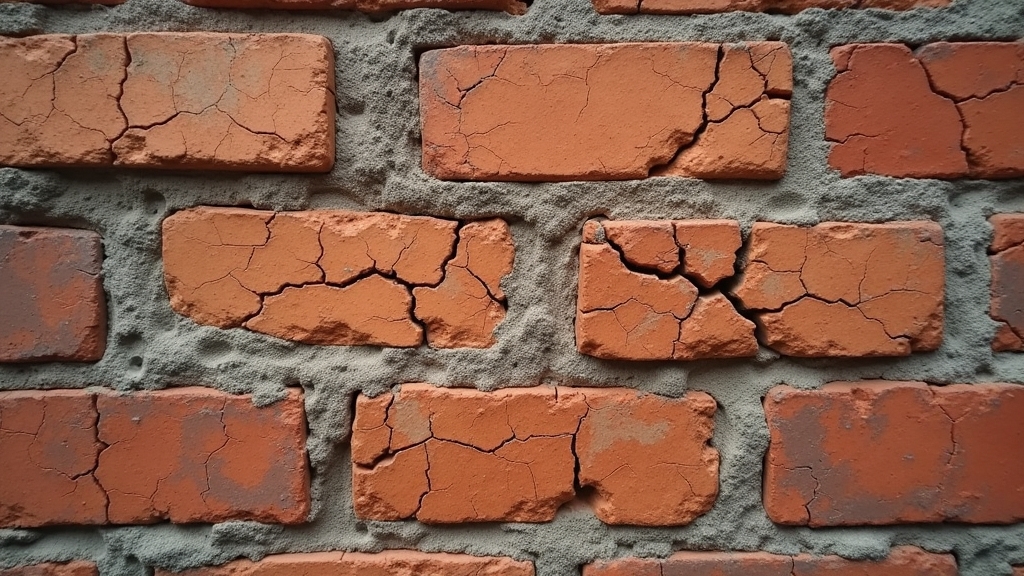
If you notice visible cracks in your brick walls, it’s a clear sign that your brick repointing needs attention. These cracks can manifest in various patterns, ranging from horizontal and vertical lines to stair-step formations.
Ignoring these cracks can lead to further deterioration, compromising the structural integrity of your home. Prompt attention is essential to prevent extensive damage and costly repairs.
The good news is that visible cracks can often be addressed through effective repair methods. Repointing, the process of removing and replacing damaged mortar, is a common solution.
Visible cracks can often be addressed through effective repair methods, such as repointing the damaged mortar.
This technique helps to seal the gaps and prevent water infiltration, which is a leading cause of brick cracking. By addressing the issue early on, you can extend the lifespan of your brick walls and maintain the aesthetic appeal of your property.
Water Damage
Water damage is another clear indicator that your brick repointing needs attention.
Visible water stains, crumbling mortar, and efflorescence (white, powdery salt deposits) all point to moisture issues.
To address this, you’ll need to:
- Identify the water source. Check for leaky pipes, gutters, or roof problems that allow water to penetrate the brickwork.
- Implement moisture control measures. This may involve improved drainage, waterproofing, or repairing the mortar to prevent further water intrusion.
- Repoint the affected areas. Once the moisture problem is resolved, you can have the mortar joints carefully repaired to restore the structural integrity of your brick walls.
Addressing water damage is essential to preventing further deterioration and ensuring the long-term health of your brick masonry.
Discoloration and Efflorescence
Discoloration and white, powdery salt deposits known as efflorescence are also telltale signs that your brickwork needs repointing attention.
Discoloration can result from moisture penetration, which allows minerals and salts to leach out of the mortar and appear on the brick surface. Efflorescence, on the other hand, is caused by water evaporating and leaving behind salt deposits.
If left untreated, these issues can lead to further deterioration. To address discoloration, the underlying moisture problem must be resolved. Efflorescence can be treated by scrubbing the affected areas with a stiff-bristle brush and a mild detergent solution.
Regular inspection and prompt attention to these visual cues can help prevent more significant brick repointing needs down the road.
Loose or Missing Bricks
Loose or missing bricks are another clear indicator that your masonry work needs attention. These gaps in your brickwork can allow water to seep in, leading to further damage over time.
Look out for:
- Crumbling or cracking mortar around bricks
- Bricks that feel loose or can be moved by hand
- Entire bricks that have fallen out of the wall
Addressing these issues promptly is essential. Brick replacement and proper repair techniques like repointing can restore the structural integrity of your masonry.
Don’t delay – take action to prevent more extensive and costly repairs down the line. With vigilance and prompt action, you can keep your brick walls looking their best for years to come.
Structural Instability
Cracking and crumbling bricks, a bulging or leaning wall, and deteriorating mortar are all signs of structural instability.
These issues require prompt attention, as they can compromise the integrity of your home’s masonry.
Addressing structural problems through brick repointing is essential to maintain the safety and longevity of your property.
Cracking and Crumbling
One of the most obvious signs that your brick structure needs repointing is the presence of visible cracks or crumbling mortar.
Cracking and crumbling can occur for several reasons, including:
- Poor mortar composition that’s unable to withstand weathering and aging
- Structural shifting or settling over time
- Damage from external impacts, such as vehicles or falling debris
If left unaddressed, these issues can compromise the structural integrity of your brick walls, leading to more severe problems.
Repointing, which involves removing and replacing the deteriorated mortar, is an essential repair technique to restore your brick structure’s stability and appearance.
Addressing cracking and crumbling promptly can help prevent further damage and costly repairs down the line.
Wall Bulge and Lean
If your brick walls are starting to bulge or lean, it’s a clear sign of structural instability that requires prompt attention. Wall bulges and leans indicate significant movement, which can lead to cracks, collapse, and even safety hazards. Ignoring these issues can have devastating consequences, so it’s vital to address them before they worsen.
| Wall Integrity Indicators | Repair Options |
| – Visible bulges or leans | – Repointing |
| – Cracks in mortar or bricks | – Structural reinforcement |
| – Uneven or sloping floors | – Wall rebuilding |
Addressing wall bulge and lean issues may involve repointing, structural reinforcement, or even complete wall rebuilding. Consulting a professional is recommended to determine the best course of action and guarantee the long-term stability of your brick structure.
Mortar Deterioration
Another common sign of structural instability is mortar deterioration. Over time, the mortar composition in your brickwork can break down, leading to crumbling, cracking, or missing mortar. This compromises the structural integrity of your walls.
Here are 3 key signs of mortar deterioration:
- Visible cracks or crumbling in the mortar
- Loose or missing mortar between bricks
- Increased maintenance frequency required to keep mortar intact
Mortar deterioration often indicates that your brickwork needs repointing, which involves removing and replacing damaged mortar.
Addressing mortar deterioration promptly is essential to maintain the stability and longevity of your brick structures.
Comprehensive Inspection
The first step in determining if your brickwork requires repointing is a thorough inspection. You should inspect your brick walls at least once a year, using a magnifying glass, flashlight, and screwdriver to closely examine the condition of the mortar.
Look for crumbling, missing, or loose mortar. Pay special attention to areas around windows, doors, and corners, as these are more prone to deterioration.
If you notice significant mortar deterioration, it’s time to evaluate brick repointing. This process involves carefully removing the old, damaged mortar and replacing it with new, high-quality mortar.
Ignoring the issue can lead to further damage, so it’s best to address it promptly. A detailed inspection will help you identify the extent of the problem and determine the best course of action.
Frequently Asked Questions
How Much Will Brick Repointing Cost for My Home?
The cost for brick repointing your home will depend on several factors, like the size of your home, the condition of the mortar, and the complexity of the work. Most homeowners can expect to pay $5-$15 per square foot.
How Long Does Brick Repointing Typically Take to Complete?
Brick repointing typically takes 3-5 days to complete, depending on the size of the project and weather conditions. The timeline can vary, so it’s best to consult a professional for an accurate estimate for your home.
Can I Do Brick Repointing Myself or Do I Need a Professional?
You can try DIY brick repointing techniques if you have the right tools and skills. However, it’s generally best to hire a professional service to guarantee the job’s done properly and safely.
How Often Should I Have My Bricks Repointed?
Generally, you should have your bricks repointed every 25 to 30 years for proper brick maintenance and masonry care. However, this can vary based on your climate and the condition of your home’s exterior.
Will Repointing Improve the Energy Efficiency of My Home?
Repointing won’t directly improve your home’s energy efficiency, but it can enhance thermal insulation by sealing cracks and gaps in the mortar, leading to potential energy savings. However, other home upgrades may be more effective for boosting your home’s overall energy efficiency.
Final Thoughts
Understanding when your brickwork needs repointing is essential for protecting both the structure and appearance of your home. Signs like crumbling mortar, visible cracks, water stains, efflorescence, loose bricks, or shifting walls should never be ignored. Early intervention prevents moisture intrusion, structural damage, and escalating repair costs—keeping your masonry strong, safe, and beautiful for decades.
If you’re noticing deterioration or suspect your mortar joints are failing, repointing is one of the most effective ways to restore strength and extend the lifespan of your brickwork. A professional assessment ensures accurate diagnosis and lasting results, far better than temporary DIY fixes.
At Premiere Masonry Rochester Hills, we specialize in complete masonry restoration, precise tuckpointing, structural lintel repair, expert fireplace & chimney repair, and reliable porch repair & rebuilding. Our craftsmanship blends proven techniques with modern restoration standards to deliver durable, seamless results.
Ready to restore your brickwork with precision and care? Call Premiere Masonry Rochester Hills or visit our Contact Page to schedule your free consultation.
Protect your home’s structure, beauty, and long-term value with trusted local masonry experts—done right the first time.