
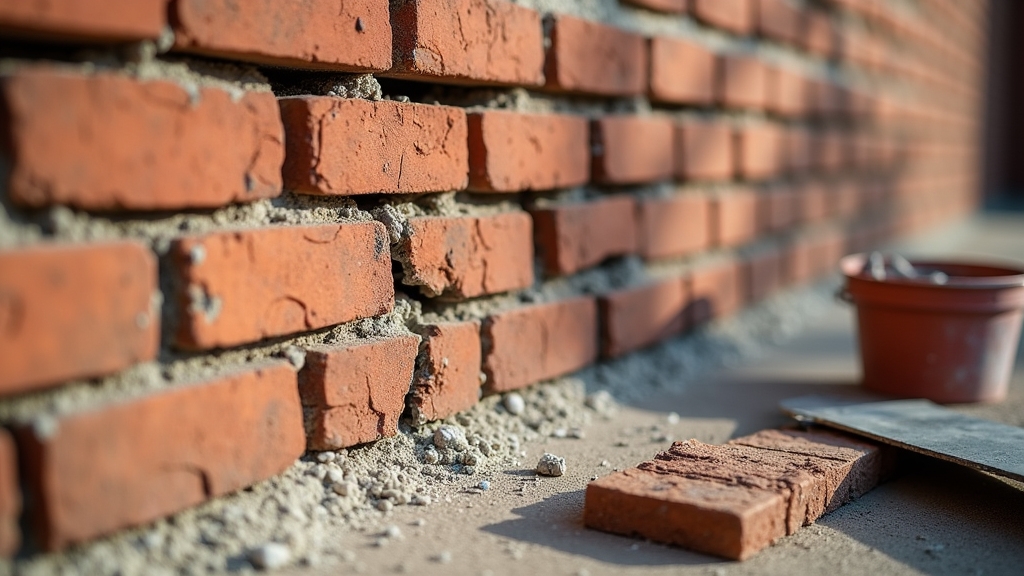
Brick cracking stems from a variety of issues like foundation problems, temperature swings, poor installation, and moisture damage. You’ll need to address the root cause, whether it’s fixing the foundation, improving drainage, or using the right repair techniques. Catching cracks early is key – it’ll save you time and money in the long run. If you’d like to dive deeper into the specifics of diagnosing and resolving brick cracking, I’ve got more details to share.
Key Takeaways
- Foundation issues like soil erosion and poor construction can cause bricks to crack due to settlement and shifting.
- Extreme temperature changes lead to brick expansion and contraction, which can shock the material and contribute to cracking.
- Improper installation, such as low-quality mortar and poor brick alignment, allows moisture infiltration and weakens the structure over time.
- Moisture damage from various sources can cause bricks to expand and crack, necessitating proper moisture control and drainage.
- Timely repairs to address cracks and maintain moisture control are crucial to prevent further structural issues and preserve the longevity of brick walls.
Foundation Issues
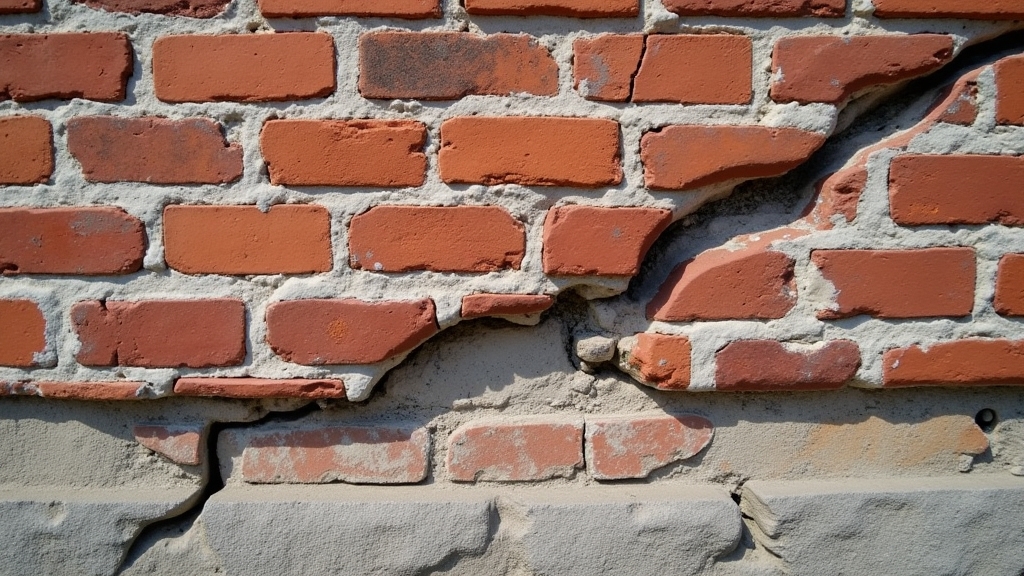
If your home’s foundation is settling or shifting, it can cause cracks to develop in your brickwork.
Settlement cracks typically appear as diagonal or stair-step patterns, often near doors and windows. This movement can be due to soil erosion, poor initial construction, or changes in the soil composition.
Settlement cracks often appear as diagonal or stair-step patterns near doors and windows, indicating soil erosion, poor construction, or soil composition changes.
To address foundation issues, you’ll need to take into account foundation repair options, such as underpinning or piering. These techniques involve stabilizing the foundation to prevent further movement and cracking.
Addressing the root cause is essential to resolving brick cracking and ensuring the long-term integrity of your home’s structure.
Don’t ignore these warning signs – take action to fix the foundation and protect your investment.
Temperature Fluctuations
Extreme temperature fluctuations can also lead to brick cracking. During seasonal changes, your bricks are subjected to significant temperature extremes.
In the summer, the intense heat can cause the bricks to expand, while in the winter, the freezing temperatures lead to contraction. This repeated expansion and contraction can create cracks over time.
Additionally, sudden temperature changes, like a heatwave followed by a cold front, can shock the bricks and contribute to cracking.
To mitigate this issue, verify your bricks have adequate expansion joints and that the mortar used is flexible enough to accommodate the movement.
Regular inspections and prompt repair of any cracks can also help prevent further damage from temperature fluctuations.
Improper Installation
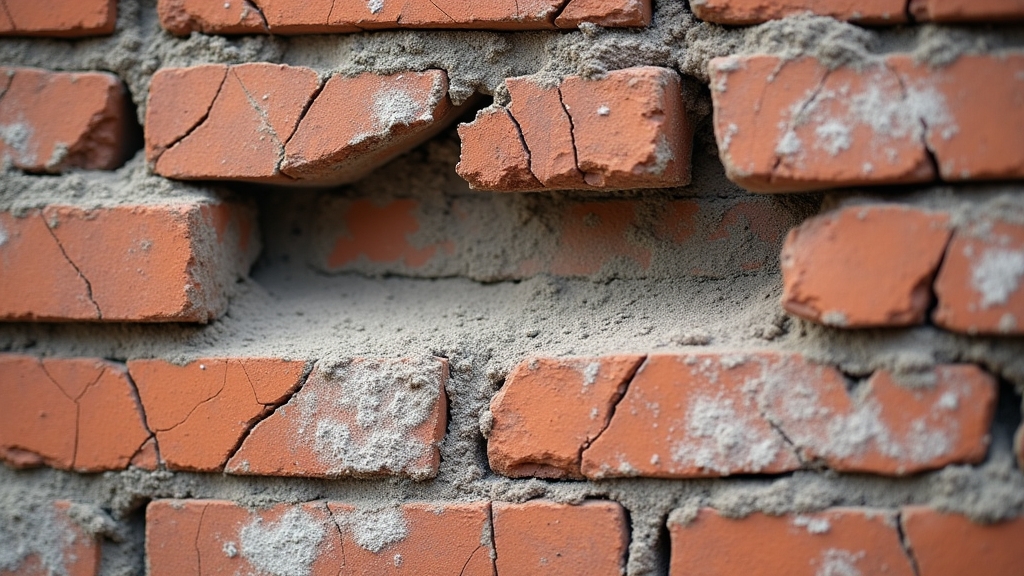
Improper installation can also contribute to brick cracking. If the bricks aren’t properly aligned, they may not fit together tightly, leading to gaps that allow moisture infiltration and thermal expansion.
Using low-quality mortar can also cause issues, as it may not adhere well to the bricks, leading to cracks over time. Make sure to work with experienced masons who understand the importance of precise brick alignment and using high-quality mortar.
Properly installing the bricks is essential to preventing cracks and ensuring the structural integrity of your brick walls. Pay close attention to the installation process, and don’t be afraid to ask questions if you’re unsure about anything.
Moisture Damage
Moisture is a common culprit behind brick cracking. Water seeping into the bricks can cause them to expand, leading to cracks and structural damage. Proper moisture control and water drainage are essential to prevent this issue.
| Moisture Source | Potential Damage |
| Rain | Cracking, spalling |
| Groundwater | Efflorescence, crumbling |
| Condensation | Discoloration, mold |
| Plumbing leaks | Rotting, staining |
Ensure your bricks have adequate water-resistant coatings, flashings, and weep holes to divert moisture away from the foundation. Regular inspections and prompt repairs can help maintain the integrity of your brick walls and prevent costly replacements down the line.
Soil Movement
The ground beneath your home can shift and move, causing your foundation to settle unevenly.
This soil expansion and contraction, often due to changes in moisture content, can lead to cracks in your brick walls.
Understanding how soil movement impacts your home’s structural integrity is vital in addressing brick cracking issues.
Soil Expansion and Contraction
As the soil around a brick structure expands and contracts due to changes in moisture content, it can exert significant pressure on the brickwork.
This can lead to a variety of issues, including:
- Soil Expansion: When the soil absorbs moisture, it expands, pushing against the bricks and causing them to crack or buckle.
- Soil Contraction: As the soil dries out, it can shrink, leading to gaps between the soil and the brickwork, which can also cause cracks.
- Clay Shrinkage: Certain types of soil, particularly those with a high clay content, are prone to significant shrinkage when they dry out, further exacerbating the problem.
Addressing soil expansion and contraction is vital to preventing and repairing brick cracks.
Foundation Settlement
Although soil expansion and contraction can lead to brick cracking, another common issue is foundation settlement or soil movement.
When the ground beneath your home’s foundation shifts, it can cause uneven settling, creating cracks in your brickwork.
Pay attention to settlement patterns – cracks that appear along mortar lines or in a stair-step fashion often indicate foundation problems.
To address this, you’ll need foundation repairs, such as underpinning or helical piers, to stabilize the structure and prevent further damage.
Don’t ignore these signs – act quickly to avoid more costly issues down the line.
Structural Overload
When a structure bears too much weight, the bricks may start to crack.
This could happen if the foundation doesn’t provide adequate support or if seismic activity impacts the building.
Understanding the causes of structural overload is essential to prevent and address this issue.
Excessive Weight Bearing
Excessive weight bearing, also known as structural overload, is one of the primary causes of brick cracking. When the weight placed on the bricks exceeds their material strength, cracks can start to form.
This can happen due to:
- Improper load distribution: If the weight isn’t evenly distributed across the bricks, certain areas will bear more stress, leading to cracking.
- Overloading of structures: Adding too much weight, such as heavy furniture or equipment, can put excessive strain on the brick foundation.
- Expansive soil conditions: Soil that expands and contracts with changes in moisture can shift the weight distribution, causing cracks.
To prevent and address excessive weight bearing, it’s essential to guarantee proper load distribution and maintain the structural integrity of the brick system.
Inadequate Foundation Support
Inadequate foundation support is another key factor contributing to brick cracking. If the foundation isn’t properly reinforced or the soil isn’t adequately compacted, it can lead to uneven settling and shifting, putting excessive stress on the brickwork.
This structural overload can cause cracks to develop over time. To address this issue, consider strengthening the foundation through underpinning or foundation reinforcement.
Ensuring proper soil compaction during the initial construction process is also essential. By taking these steps, you can provide the necessary support to prevent brick cracking caused by an unstable foundation.
Seismic Activity Impacts
Seismic activity can put tremendous structural overload on brickwork, leading to devastating cracks.
Earthquakes can subject bricks to intense shaking, causing them to shift, buckle, and crack.
To protect your home, consider these steps:
- Earthquake Preparedness: Verify your home’s foundation is secure and reinforced to withstand seismic forces. Consult a professional for a structural assessment and seismic retrofitting recommendations.
- Seismic Retrofitting: Implement necessary measures, such as installing steel bracing, reinforcing mortar joints, and securing the roof and walls to the foundation, to enhance your brickwork’s resilience against earthquakes.
- Regular Maintenance: Regularly inspect your brickwork for any signs of cracking or damage and address them promptly to prevent further deterioration.
Expansion and Contraction
Brick walls can experience expansion and contraction due to changes in temperature and moisture levels. Thermal expansion occurs when the bricks heat up and expand, causing the mortar joints to crack.
Conversely, during seasonal changes, the bricks may contract as they cool down, leading to further cracking. This cyclical process can gradually weaken the structural integrity of the wall over time.
To prevent this, it’s essential to guarantee proper installation techniques, such as leaving adequate expansion joints and using flexible mortar mixes.
Regularly inspecting the wall for signs of cracking and promptly addressing any issues can also help mitigate the effects of expansion and contraction.
Aging and Deterioration
Over time, brick walls can naturally degrade due to the aging process. This aging and deterioration can lead to cracking and other structural issues.
Some common causes of this include:
- Natural Wear: As brick walls are exposed to the elements over many years, the natural wear and tear can cause the material to weaken and become more susceptible to cracking.
- Material Fatigue: The repeated expansion and contraction of the bricks due to temperature changes can lead to material fatigue, further contributing to cracks and deterioration.
- Environmental Damage: Environmental factors such as moisture, freeze-thaw cycles, and chemical exposure can accelerate the aging process and hasten the deterioration of the brick material.
Addressing these issues through proper maintenance and timely repairs is essential to maintaining the structural integrity and longevity of your brick walls.
Frequently Asked Questions
Can Bricks Be Repainted to Cover Cracks?
Yes, you can repaint bricks to cover cracks. This brick painting technique is an easy, cost-effective repair method that can conceal minor cracks and improve the appearance of your home’s exterior. Just be sure to properly prepare the surface first.
How Long Do Brick Repairs Typically Last?
The longevity of brick repairs depends on proper maintenance. With regular inspections and prompt fixes, your repaired bricks can last for years. Adopting these best practices guarantees your brick repairs endure and protect your home’s exterior.
Do Cracks Indicate a Need for Replacement?
Cracks don’t always mean replacement’s needed. It depends on the crack’s severity. Minor cracks may only require patching, while extensive, deep cracks that extend through the wall indicate the bricks need replacement. Evaluate the signs carefully before deciding.
Can I DIY Brick Repairs, or Should I Hire Professionals?
You can DIY minor brick repairs, but for significant cracks, it’s best to get a professional assessment. They’ll determine if the damage requires a full replacement or if targeted repairs can fix the issue.
How Much Do Typical Brick Repair Costs?
Typical brick repair costs can vary widely, ranging from $50 to $500 or more per repair, depending on the extent of damage and the repair methods needed. Factors like material costs, labor, and accessibility will impact the overall price.
Final Thoughts
Brick cracking is more than just a cosmetic issue—it’s often a warning sign of deeper structural concerns like foundation movement, temperature shifts, improper installation, soil expansion, and moisture intrusion. Addressing cracks early prevents major damage, restores stability, and protects the long-term value of your home. Whether you’re noticing stair-step patterns, widening joints, spalling, discoloration, or shifting brickwork, timely repair is essential to avoid escalating issues.
Professional masonry evaluation ensures the root cause is identified and corrected, not just patched. From structural stabilization and drainage improvements to expert repointing and brick replacement, quality workmanship delivers results that outlast DIY fixes and protect your investment for decades.
At Premiere Masonry Rochester Hills, we specialize in complete masonry restoration, precise tuckpointing, structural lintel repair, expert fireplace & chimney repair, and reliable porch repair & rebuilding. Our team blends traditional craftsmanship with modern restoration methods to ensure strong, durable, and seamless repairs.
Ready to repair brick cracks the right way—safely, efficiently, and built to last? Contact Premiere Masonry Rochester Hills or call us today to schedule your free consultation.
Protect your home’s strength, beauty, and value with trusted local masonry experts—done right the first time.