
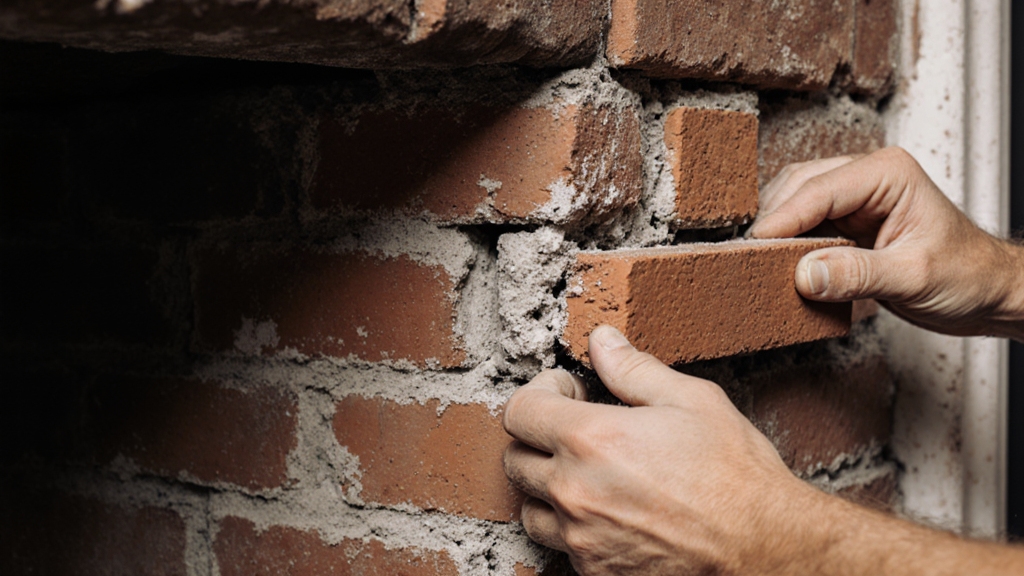
When it comes to repairing cracked fireplace bricks, it’s crucial to address the issue promptly to maintain safety and efficiency. You might notice small cracks or significant gaps, and knowing how to tackle each type can save you time and money. Before you start, you’ll need to gather the right tools and materials. Understanding the steps involved will guarantee a successful repair, but there’s more to reflect on than just the cracks themselves.
Key Takeaways
- Identify the type and severity of the cracks to determine the appropriate repair method, such as filling or replacing bricks.
- Clean the cracked areas thoroughly using a stiff-bristle brush and vacuum before applying any repair materials.
- Use heat-resistant materials like refractory mortar or epoxy for filling small and large cracks, respectively.
- Seal the repaired cracks with a suitable sealant to protect against moisture and enhance durability.
- Regularly maintain your fireplace by checking for new cracks and ensuring proper ventilation to prevent future damage.
Understanding the Importance of Fireplace Brick Repair
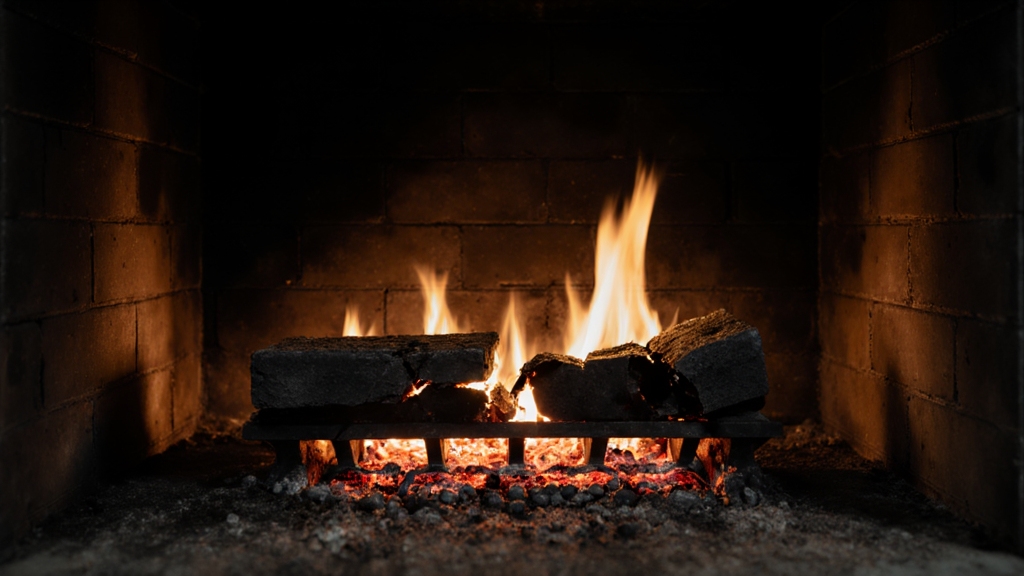
When you notice cracks in your fireplace bricks, don’t ignore them, as they can lead to more serious issues if left unaddressed. Understanding the significance of fireplace brick repair is essential for maintaining safety and efficiency in your home.
Cracks can compromise the structural integrity of your fireplace, potentially leading to dangerous situations like chimney fires or carbon monoxide leaks.
Addressing these issues promptly offers several repair benefits. For one, it enhances the overall aesthetic of your fireplace, making it a more inviting focal point. Additionally, timely repairs can prevent heat loss, improving your home’s energy efficiency.
When you invest in repairing cracked bricks, you’re not just fixing a surface issue; you’re safeguarding your home and family.
Identifying Fireplace Brick Crack Types
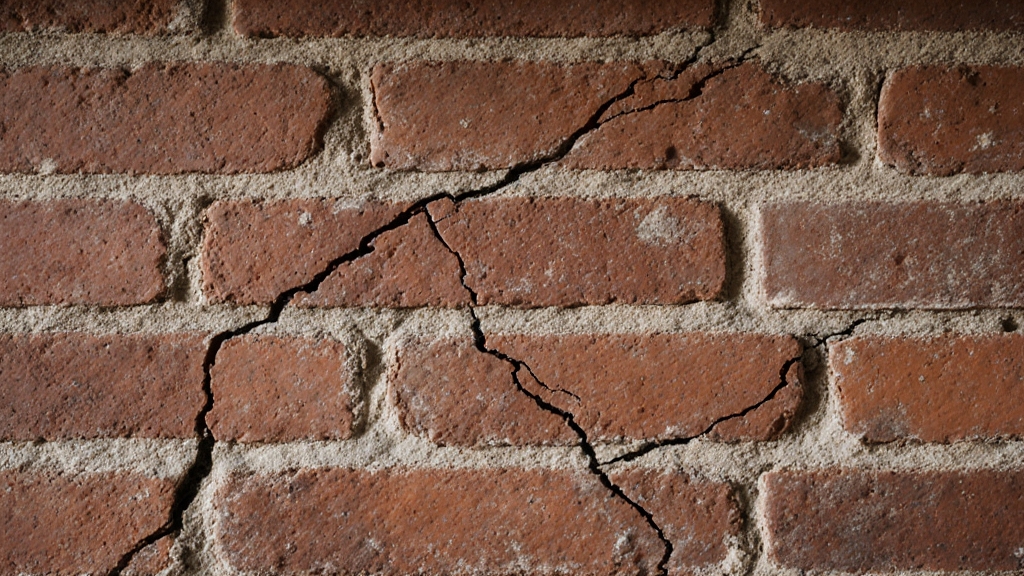
Recognizing the different types of cracks in your fireplace bricks is a key step in determining the best repair approach.
Start with hairline cracks, which are usually superficial and often don’t compromise structural integrity.
Then, look for horizontal cracks; they can indicate shifting or settling issues that need more attention.
Vertical cracks, on the other hand, may signal normal wear but can also point to deeper problems if they widen.
For effective crack diagnosis, consider the location and pattern of the cracks. Each type may require specific repair methods.
Hairline cracks can often be filled with a simple mortar mix, while horizontal and vertical cracks might need more extensive repairs, possibly involving reinforcement.
Understanding these distinctions helps you choose the right repair method, ensuring your fireplace remains safe and functional for years to come.
Assessing Crack Severity: Repair or Replace?
As you evaluate the severity of cracks in your fireplace bricks, you’ll need to determine whether repair is sufficient or if replacement is necessary.
Start by examining the size and depth of the cracks. Hairline fractures often indicate that repair options are viable, while larger, deeper cracks may compromise the structural integrity of the fireplace.
Examine crack size and depth; hairline fractures suggest repair is possible, while larger cracks may threaten structural integrity.
Consider the location of the cracks, too; if they’re in a load-bearing area, you might lean towards replacement for safety.
Perform a thorough crack evaluation by tapping the bricks lightly. If you hear a hollow sound, it could signal a more significant problem.
Also, check for signs of moisture or crumbling. If the bricks seem stable and the cracks are minor, you can likely proceed with repairs.
However, if you find extensive damage, it’s best to consult a professional for replacement options to guarantee your fireplace remains safe and functional.
Tools and Materials Needed for Fireplace Brick Repair
Before you start repairing your cracked fireplace bricks, you’ll need the right tools and materials.
Gathering essentials like a trowel, masonry adhesive, and a chisel will make the process smoother.
Let’s look at what you should have on hand for a successful repair.
Essential Tools Required
To successfully repair cracked fireplace bricks, you’ll need a few essential tools and materials at your disposal. Having the right fireplace tools makes a significant difference in your repair techniques. Here’s a quick overview of what you’ll need:
| Tool/Material | Purpose | Notes |
| Trowel | For applying mortar | A must-have for precision |
| Wire brush | To clean bricks | Guarantees good adhesion |
| Chisel and hammer | To remove damaged bricks | Use with caution |
With these tools in hand, you’ll be well-equipped to tackle the repairs. Make certain to familiarize yourself with each tool’s function before starting your project for the best results.
Recommended Repair Materials
When repairing cracked fireplace bricks, choosing the right materials is essential for a durable fix. Start with heat-resistant mortar, as it withstands high temperatures and bonds well with bricks.
You’ll also need a trowel for applying the mortar smoothly. For larger cracks, consider using a repair compound designed specifically for masonry; these products often have additives that enhance adhesion and flexibility.
A wire brush will help you clean the cracks before applying your chosen material, guaranteeing proper adhesion. Don’t forget to wear safety gloves and goggles during the process.
Preparing Your Workspace for Safe Repairs
Before you start your repairs, clear the area around the fireplace to create a safe workspace.
Make sure you gather all the necessary tools so you won’t have to pause your work.
A tidy and well-equipped space will help you focus on fixing those cracked bricks efficiently.
Clear The Area
Clearing the area around your fireplace is essential for safe and effective repairs. A well-organized workspace not only enhances fireplace safety but also makes your repair process smoother. Start by removing any flammable materials, tools, or decorations nearby. Next, make sure you have ample space to move comfortably.
Here’s a quick checklist to help you organize your workspace:
| Action | Purpose |
| Remove flammable items | Prevent fire hazards |
| Clear clutter | Enhance workspace safety |
| Set up a repair station | Keep tools within reach |
| Make sure proper lighting | Improve visibility |
Gather Necessary Tools
To tackle the task of repairing cracked fireplace bricks, you’ll need to gather a few vital tools. Start with a chisel and hammer for removing damaged bricks, and a masonry trowel for applying mortar. A level guarantees your bricks are aligned correctly. Don’t forget safety goggles and gloves to protect yourself during the process!
As you collect your tool types, check their condition—good tool maintenance is essential for effective repairs. Clean and oil tools if necessary, and replace any that are worn out.
Having a well-maintained toolkit not only speeds up the job but also enhances your safety. With the right tools in hand, you’re ready to start your fireplace brick repair project confidently!
Best Practices for Cleaning Cracked Areas
Cleaning cracked areas of your fireplace bricks is essential for both aesthetics and safety. Start by gathering your cleaning supplies, which should include a stiff-bristle brush, a vacuum, and a mild detergent mixed with water.
Use the brush to gently scrub the cracked areas, removing dirt and soot buildup. For more stubborn grime, consider trying specialized cleaning techniques, like a mixture of vinegar and baking soda.
After scrubbing, vacuum up the debris to avoid any dust from settling back onto the bricks. Make certain to rinse the area with clean water to eliminate any cleaning residue.
Regular maintenance tips include checking for cracks during your cleaning routine and addressing any issues promptly. This proactive approach not only keeps your fireplace looking great but also helps prevent further damage.
Following these best practices guarantees your fireplace remains safe and visually appealing for years to come.
Selecting the Right Mortar for Fireplace Repairs
Once you’ve cleaned the cracked areas of your fireplace, it’s time to focus on repairs, starting with selecting the right mortar.
Choosing the proper mortar is vital for guaranteeing durability and heat resistance. Here are three essential mortar types you should consider:
- Refractory Mortar: This type withstands high temperatures, making it ideal for fireplaces. It can handle intense heat without crumbling.
- Lime Mortar: While not as heat-resistant, lime mortar provides flexibility and breathability, making it suitable for older brick fireplaces.
- Cement-Based Mortar: This option offers good strength but may not be the best for high-heat areas. If you choose this, verify it has added heat-resistant properties.
Step-by-Step Guide to Filling Small Brick Cracks
As you tackle the task of filling small brick cracks, it’s vital to follow a precise method to secure a lasting repair.
Start by cleaning the cracks thoroughly, removing any dust, dirt, or loose debris. This step is significant since common causes of these cracks include temperature changes and moisture.
Once clean, choose a suitable repair material, such as a mortar mix or a crack filler designed for masonry.
Use a putty knife to apply the filler into the cracks, pressing it firmly to guarantee a strong bond. Smooth the surface to match the surrounding bricks.
Allow the filler to cure according to the manufacturer’s instructions. After curing, you may want to seal the area to prevent future moisture intrusion.
Techniques for Repairing Large Cracks Between Bricks
Filling small cracks is a great starting point, but larger cracks between bricks require a different approach to guarantee stability and safety.
Here are some effective repair techniques you can use:
- Epoxy or Mortar: Choose a strong epoxy or mortar that matches your brick materials. Mix it according to the manufacturer’s instructions for best adhesion.
- Backer Rod: Insert a backer rod into the crack before applying mortar. This provides support and helps control the depth of the repair.
- Tuckpointing: For extensive damage, consider tuckpointing. This involves removing damaged mortar and replacing it with fresh material, ensuring a solid bond between bricks.
Sealing and Finishing for Lasting Results
Now that you’ve repaired the cracks, it’s time to focus on sealing and finishing for durability.
Choosing the right sealant is essential to protect your work from moisture and wear.
Once you’ve selected a sealant, applying the finishing touches properly will guarantee your fireplace looks great and lasts for years.
Choosing The Right Sealant
Selecting the right sealant is essential for guaranteeing your fireplace bricks stay protected and look great for years to come. Different sealant types offer varying levels of protection and durability.
Here are some factors to take into account:
- Sealant Types: Choose between silicone, acrylic, or polyurethane sealants based on the specific needs of your fireplace. Each type has unique properties suited for different applications.
- Application Methods: Some sealants can be applied with a brush, while others require a caulking gun or spray application. Be certain you’re comfortable with the method before starting.
- Drying Time: Reflect on how long each sealant takes to cure. A faster-drying sealant might be preferable if you’re in a hurry.
Applying Finishing Touches Properly
Once you’ve chosen the right sealant for your fireplace bricks, applying the finishing touches is essential for ensuring long-lasting results.
Start by cleaning the area thoroughly to remove dust and debris. Use appropriate finishing techniques, like a brush or sponge, to apply the sealant evenly. Be mindful of texture matching; you want the finish to blend seamlessly with the surrounding bricks.
If necessary, use a small trowel to fill in any gaps or cracks before applying the final coat. Allow the sealant to cure according to the manufacturer’s instructions, and check for any uneven areas.
Once dried, your fireplace shouldn’t only look great but also be well-protected against future damage. Enjoy the warmth and beauty of your newly restored fireplace!
Matching Brick Color and Texture for Repairs
When you tackle the task of repairing cracked fireplace bricks, matching the color and texture is essential for a seamless finish.
To achieve effective color matching and texture blending, follow these steps:
1. Identify the Original Brick: Inspect your fireplace bricks closely. Take note of their color, pattern, and texture. If possible, take a sample to help with matching.
2. Select a Suitable Replacement: Visit a local supplier or home improvement store. Look for bricks that closely resemble your original ones in both color and texture.
Don’t hesitate to ask for assistance in finding the right match.
3. Test for Compatibility: Before finalizing your choice, conduct a small test. Apply the new brick in an inconspicuous area and see how it blends with the existing ones.
Make sure it complements the overall appearance.
Preventing Future Cracks in Your Fireplace
To prevent future cracks in your fireplace, it’s essential to maintain a stable environment and address any potential issues early on.
Start by ensuring proper ventilation; poor airflow can cause excessive heat buildup, leading to cracks. Regularly check your chimney for blockages and clean it to promote efficient burning and heat resistance.
Use high-quality firewood to minimize creosote buildup and reduce smoke, which can weaken the bricks over time. When using your fireplace, avoid extreme temperature changes; let the fire burn steadily rather than going from a roaring blaze to a quick extinguish.
Invest in fireplace care products, like heat-resistant sealants, to protect the bricks from thermal stress.
Finally, monitor humidity levels in your home, as excessive moisture can weaken the structure. By following these tips, you’ll help keep your fireplace in great shape for years to come.
Regular Maintenance for a Healthy Fireplace
To keep your fireplace in top shape, it’s essential to establish a regular cleaning schedule.
Make sure you inspect for any damage and address issues promptly to prevent bigger problems down the line.
Applying sealant can help protect your bricks, ensuring your fireplace stays both functional and beautiful.
Regular Cleaning Schedule
Maintaining a regular cleaning schedule is essential for keeping your fireplace in good condition and ensuring safe operation.
By incorporating effective cleaning techniques into your fireplace maintenance routine, you’ll prevent the buildup of soot and debris that can lead to damage over time.
Here are three key tasks to include in your schedule:
- Clean the firebox: Remove ash and soot weekly to maintain airflow and efficiency.
- Check the chimney: Schedule a professional inspection and cleaning at least once a year to prevent creosote buildup.
- Wipe down surfaces: Regularly clean the exterior and glass doors with appropriate cleaners to keep your fireplace looking its best.
Inspect for Damage
After keeping your fireplace clean, it’s important to inspect it regularly for any damage. During your crack inspection, look for visible signs of wear, such as hairline fractures or larger gaps. A timely damage assessment can prevent further issues and guarantee safety.
Here’s a quick checklist to guide you:
| Area to Inspect | Signs of Damage | Action Needed |
| Firebox | Cracks, spalling | Repair or replace bricks |
| Hearth | Loose bricks, gaps | Re-secure or replace |
| Chimney | Cracks, flaking mortar | Repoint or seal |
| Surrounding Wall | Water stains, discoloration | Investigate moisture |
Sealant Application Tips
Applying sealant to your fireplace bricks is crucial for prolonging their life and maintaining safety.
To effectively seal your bricks, consider these tips on sealant types and application techniques:
- Choose the Right Sealant: Use high-temperature silicone or masonry sealant designed for fireplaces to withstand heat fluctuations.
- Clean the Surface: Before applying, verify the bricks are clean and dry. Use a wire brush to remove debris and dust.
- Apply Evenly: Use a caulking gun for precision. Apply the sealant in a steady, even bead, filling cracks thoroughly without overfilling.
Safety Precautions for Fireplace Work
When you tackle fireplace repairs, safety should always come first. Begin by wearing appropriate safety gear, like gloves, goggles, and a dust mask, to protect yourself from debris and harmful particles.
Make certain to clear the area around your fireplace to minimize trip hazards. Before starting any work, check for potential fire hazards. Confirm the fireplace is completely cool and free of any ashes or embers. It’s wise to have a fire extinguisher nearby just in case an unexpected spark occurs.
If your fireplace has a chimney, consider checking it for blockages or creosote buildup, which can pose serious risks. Always work in a well-ventilated area to avoid inhaling any fumes from adhesives or sealants.
Stay focused and avoid distractions while you’re working. By taking these precautions, you’ll create a safer environment as you repair those cracked fireplace bricks.
Identifying Serious Structural Issues in Your Fireplace
While you’ve taken important safety steps, it’s time to examine your fireplace more closely for serious structural issues.
A thorough fireplace stability assessment is essential to guarantee your fireplace remains safe and functional.
Here are three key signs to look out for during your structural integrity evaluation:
- Cracks: Inspect for large or widening cracks in the bricks or mortar joints, which can indicate shifting or weakening of the structure.
- Chimney Lean: Check if your chimney leans to one side; this might signify foundational problems that need immediate attention.
- Water Damage: Look for signs of moisture or stains around the fireplace, as this could lead to deterioration and compromise the overall integrity.
When to Call in a Pro for Fireplace Repairs?
If you’re noticing significant cracks, leaning structures, or extensive water damage in your fireplace, it’s time to contemplate calling in a professional for repairs.
A professional assessment can help identify underlying issues that you might overlook. Issues like chimney tilting or severe damage to bricks can pose safety risks and require expertise.
If you’re experiencing smoke backdrafts or if your fireplace isn’t functioning properly, these could be signs of structural problems needing emergency repairs.
Don’t wait for small issues to turn into major disasters that could compromise your home’s safety.
Professionals have the tools and experience to guarantee repairs are done correctly and safely. They can provide solutions tailored to your specific fireplace and its condition.
Frequently Asked Questions
How Long Does Fireplace Brick Repair Typically Last?
Fireplace brick repairs usually last several years, depending on the materials used and your maintenance tips. Regularly inspecting and cleaning your fireplace can enhance repair longevity, ensuring it stays safe and functional for longer.
Can I Use Regular Mortar for Fireplace Repairs?
You can’t use regular mortar for fireplace repairs. Instead, choose high-heat mortar types specifically designed for such conditions. Using proper repair techniques guarantees your fireplace remains safe and functional, preventing future damage.
What Are the Signs of a Serious Fireplace Issue?
You’ll notice serious fireplace issues if there’s excessive creosote buildup, strange odors, smoke backing up into your home, or flue blockage. These signs indicate potential hazards that need immediate attention for your safety.
Will Repairing Cracks Improve Fireplace Efficiency?
Yes, repairing cracks can greatly improve your fireplace efficiency. When you fix those cracks, you prevent heat loss and guarantee better airflow, making your fireplace work more effectively, providing you with a warmer, cozier space.
How Often Should I Inspect My Fireplace Bricks?
You should inspect your fireplace bricks at least once a year during seasonal inspections. Regular fireplace maintenance helps catch issues early, ensuring safety and efficiency, so you can enjoy your fireplace without worry.
Final Thoughts
Repairing cracked fireplace bricks early helps protect your home’s safety, improves heat performance, and prevents minor damage from turning into larger (and more expensive) masonry problems. Small hairline cracks can often be repaired with the right heat-resistant materials and careful prep, but wider gaps, recurring cracking, moisture damage, or signs of movement usually mean the issue goes beyond a simple patch.
If you want an expert opinion—or you’d prefer the repair handled correctly the first time—Premiere Masonry Rochester Hills can help. Learn more about our Fireplace and Chimney Repair & Rebuilding services, browse all available options on our Services page, or explore related solutions like Tuckpointing and Masonry Restoration if mortar deterioration or broader brick wear is part of the problem.
To request an estimate or schedule an inspection, visit our Contact page or call 248-720-5626.