
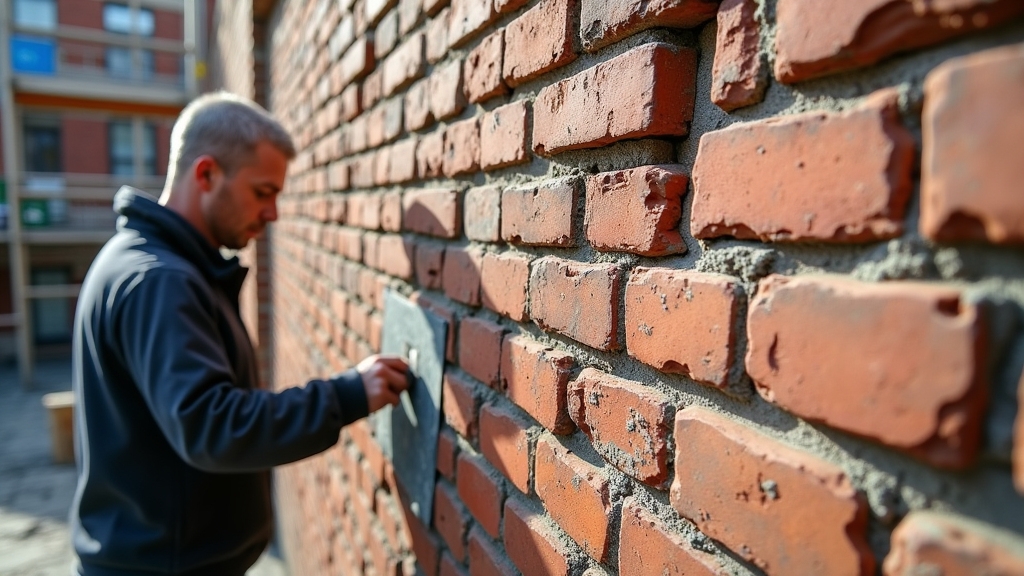
Professional masonry lasts longer because you spot issues early and fix root causes, not just symptoms. You match mortar to existing materials, manage freeze-thaw with breathable assemblies, and direct water away so walls can dry. You use calibrated tools, align joints, and stage work to avoid cold joints and moisture traps. You follow codes, manage hazards, and back work with warranties—saving money over time. If you want the details on how pros achieve that durability, you’re in the right place.
Key Takeaways
- Professionals diagnose hidden structural issues and moisture paths, preventing cosmetic fixes that trap water and accelerate decay.
- Correct material and mortar matching avoids spalling, joint erosion, and incompatibility, especially across varying climates and substrates.
- Climate-specific detailing—drainage, breathable assemblies, expansion joints—builds freeze-thaw resilience and long-term durability.
- Precision tools, tested methods, and staged workmanship ensure aligned, durable repairs with rigorous quality checks at each step.
- Code compliance, safety practices, warranties, and documentation reduce risks and long-term costs, preserving property value over time.
Expertise in Diagnosing Hidden Structural Issues

Although a hairline crack can look harmless, hidden structural issues often lurk behind what you see on the surface. When you inspect masonry yourself, you’re guessing. A professional reads the wall like a map—tracking moisture paths, settlement patterns, movement joints, and load paths. They know where hidden cracks originate, how far they travel, and whether they threaten structural integrity.
You’ll get targeted testing: tapping to hear voids, probing for delamination, checking plumb and level, and tracing water entry.
Pros link symptoms—stair-step fractures, bulging, efflorescence—to root causes: foundation movement, corroded ties, freeze-thaw cycling, or vibration. Then they prioritize risks so you fix what matters first.
Accurate diagnosis prevents cosmetic patches that trap moisture, accelerate decay, and mask danger. You gain clarity, not surprises.
Material Selection and Mortar Compatibility
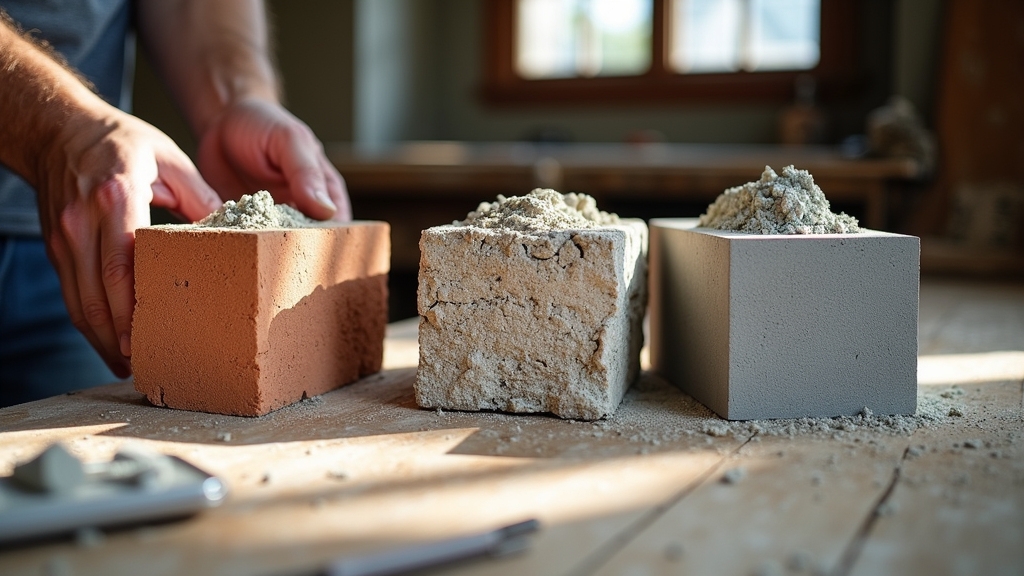
Because brick, stone, and block each behave differently, material choice and mortar compatibility make or break a repair. You can’t treat a soft historic brick like a dense concrete block. Each unit has distinct porosity, strength, and expansion rates, so your mortar must complement—not overpower—the masonry.
Pros identify mortar types by hardness, lime content, and sand gradation, then match them to the existing assembly. When you pick a mortar that’s too strong, you push stress into the units, causing spalling and cracking. Too weak, and joints erode prematurely.
Correct aggregates and pigments also matter, preserving bond and appearance. Professionals test samples, evaluate material durability, and source replacements with similar absorption. That careful pairing protects edges, maintains load paths, and extends the life of the wall.
Climate-Specific Techniques and Moisture Management
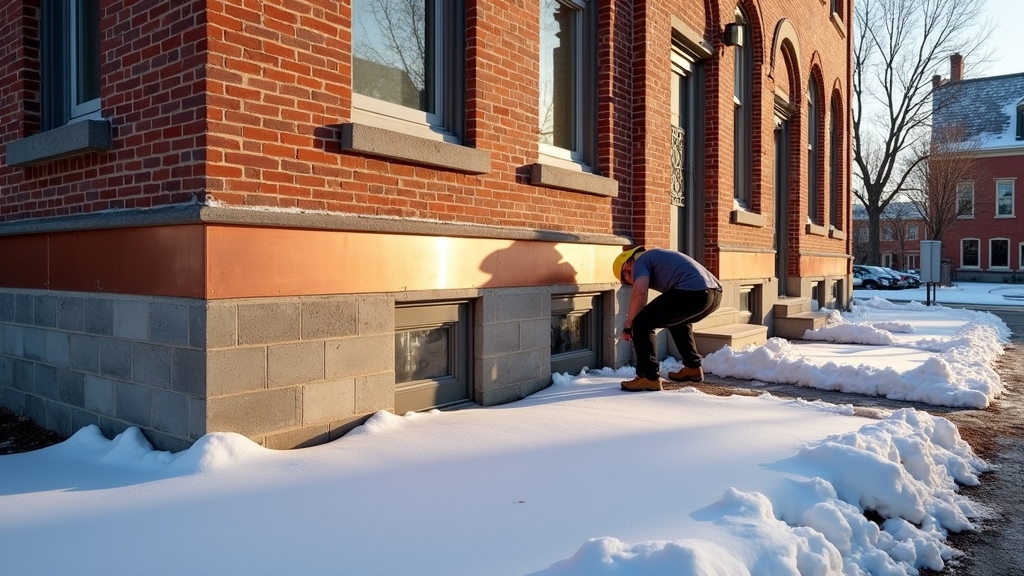
You can’t ignore how freeze-thaw cycles stress masonry; you need details like proper expansion joints, breathable sealers, and repair timing.
You should also plan for drainage that moves bulk water away with weeps, flashing, and sloped surfaces.
Finally, manage vapor with permeable assemblies and smart barriers so walls shed moisture instead of trapping it.
Freeze-Thaw Resilience
Even in moderate climates, repeated freeze-thaw cycles can crack mortar, spall brick faces, and loosen caps if moisture lingers in the wall. You see damage because water expands about 9% as it freezes, multiplying stress from thermal expansion already moving your masonry.
Pros build freeze-thaw resilience by selecting units and mortars with compatible absorption rates, air-entrainment, and flexibility, so micro-cracks don’t propagate. They also detail terminations and capstones to limit moisture penetration at ledges, parapets, and sills, where ice pressure is highest.
You’ll notice they precondition and cure mortars properly, control joint spacing, and tool joints to shed incidental water. They test saturation potential, then match repair mortars to the original’s vapor profile and strength.
The result: tighter bonds, less scaling, and fewer costly callbacks.
Drainage and Vapor Control
While walls look solid, they constantly trade moisture and vapor with their surroundings, so drainage paths and diffusion rates matter as much as strength. You need both smart drainage systems to shed liquid water and calibrated moisture barriers that still let assemblies dry.
Pros map climate loads: in wet coasts, they add through-wall flashing, weeps, and ventilated cavities; in arid zones, they favor vapor-open mortars and capillary breaks. They test substrates, choose the right perm ratings, and detail connections so nothing traps water.
- You fear hidden rot—pros create escape routes that calm that worry.
- You dread spalling—proper vents and flashings keep masonry intact.
- You want certainty—measured vapor control delivers predictable, dry walls.
That’s why professional detailing outlasts improvised fixes.
Precision Tools, Methods, and Workmanship Standards
You can spot the difference when pros use specialized diagnostic tools—moisture meters, borescopes, and laser levels—to reveal issues you’d miss by eye.
They follow industry-tested techniques for mixing, joint profiling, and curing that keep repairs aligned, bonded, and durable.
If you want results that last, you match the right tool to the right method and maintain workmanship standards every step.
Specialized Diagnostic Tools
Before mixing mortar or pulling a single brick, specialized diagnostic tools reveal what’s really happening inside masonry. You can’t fix what you can’t see, and pros use advanced imaging and calibrated diagnostic equipment to read moisture paths, voids, salt migration, and bond failures without guesswork.
Infrared thermography, borescopes, moisture meters, and rebound hammers translate hidden conditions into clear data, so repairs target causes, not symptoms.
Here’s why that matters to you:
1) Relief: You stop fearing hidden damage because the scan shows where problems start and end.
2) Confidence: Precise readings justify each decision and protect your budget from “let’s try this” fixes.
3) Peace of mind: Documented baselines and follow-up tests prove durability.
With these tools, you get accurate assessments, minimal disruption, and repairs that truly last.
Industry-Tested Techniques
Even with a solid diagnosis, repairs only succeed when executed with industry-tested techniques and tight workmanship standards.
You’ll see the difference in how pros stage the work: they set control lines, verify bond patterns, and keep joints uniform. They select mortars by exposure, brick type, and compressive strength, then mix to strict ratios.
Pros cut masonry with wet saws for clean arrises, rake joints to proper depth, and tool them at the right moisture window to seal out water.
They also follow industry standards for flashing laps, weeps, and expansion joints, preventing hidden failures. Quality checks—plumb, level, and plane—happen at each lift.
With disciplined masonry techniques, you avoid cold joints, hairline cracking, and moisture intrusion, delivering repairs that match, move, and last.
Safety Practices, Building Codes, and Compliance
While a masonry project might look straightforward, safety practices and code compliance quickly separate professional work from risky DIY. You don’t just stack units; you manage hazards, follow safety regulations, and document compliance checks that inspectors expect.
Pros read engineered plans, verify load paths, and choose mortar, anchors, and fire-rated assemblies that match code, not guesswork. They also protect adjacent structures, control dust and silica, and stage scaffolds correctly.
You feel the stakes when you imagine what’s at risk:
1) A collapsed wall threatening your family and neighbors.
2) A failed inspection halting use of your space and draining your budget.
3) A preventable injury that lingers far longer than the project.
Hire masons who pull permits, coordinate inspections, and provide traceable records that keep you compliant—and safe.
Long-Term Value, Warranties, and Reduced Maintenance
Because masonry should perform for decades, the real savings come from professional work that lasts, not quick fixes that fail.
When you hire a pro, you get durable materials, correct mortar blends, and proper drainage details. Those choices deliver long term savings by preventing recurrent cracking, leaks, and structural shifts that force repeat repairs.
You also gain warranty benefits. Reputable masons stand behind labor and materials, so if something goes wrong within the coverage period, you’re not paying twice. That protection rarely exists with DIY.
Reduced maintenance follows good construction. Correct joint tooling, expansion control, and flashing mean less repointing, fewer water stains, and minimal efflorescence.
Good construction cuts upkeep: proper tooling, expansion control, and flashing prevent stains, efflorescence, and constant repointing.
You’ll schedule inspections, not emergency calls. Over time, a sound wall or chimney preserves property value and lowers ownership costs.
Frequently Asked Questions
How Do Professionals Handle Project Scheduling to Minimize Disruption to Occupants?
You get clear project timelines, phased work, and flexible scheduling. Pros coordinate access, stage materials, and sequence noisy tasks off-peak. They maintain occupant communication, provide advance notices, adapt to constraints, and clean daily so you experience minimal disruption and predictable progress.
What Documentation Should Homeowners Receive After Professional Masonry Work?
You should receive a detailed scope-of-work summary, as-built photos, material and color records, warranty information, maintenance guidelines, inspection reports, permits/closeout documents, and contact details. Guarantee timelines, costs, and future service recommendations are documented for clear reference and accountability.
How Are Historic Aesthetics Matched Without Compromising Structural Integrity?
You match historic aesthetics by conducting careful surveys, testing mortars, and modeling loads. You use historic preservation guidelines, selective material sourcing, compatible lime-based mixes, and discreet reinforcement. You document methods, mock-up repairs, and verify performance with pull-tests and moisture monitoring.
Can Professional Masons Integrate Modern Insulation or Energy Upgrades During Repairs?
Yes. You can have professional masons integrate discreet energy upgrades during repairs. They evaluate assemblies, choose compatible insulation techniques, add vapor management, and improve energy efficiency while preserving breathability, drainage, and historic finishes. You’ll get durable performance without aesthetic compromises.
How Are Unexpected Cost Overruns Communicated and Approved During the Project?
You receive prompt notice outlining the cause, revised scope, and pricing. We review options, practice cost management, and document changes through written change orders. You approve via email or signature after transparent budget negotiations and updated timelines.
Final Thoughts
When you hire a professional mason, you’re not just paying for repairs—you’re investing in long-term durability, safety, and value. Pros don’t just patch cracks; they diagnose hidden issues, match materials precisely, and apply climate-smart techniques that protect your walls from moisture and time. Their precision tools, tested methods, and code-compliant workmanship ensure your masonry looks great and performs flawlessly for decades.
DIY fixes can hide problems—but professional craftsmanship prevents them. With Premiere Masonry Rochester Hills, you get expertise, transparency, and results that last. We stand behind every project with proven materials, clean detailing, and warranty-backed workmanship that preserves your home’s structure and beauty.
Call Premiere Masonry Rochester Hills today or visit our Contact Page to schedule your free consultation.
Protect your investment with trusted local experts—because lasting masonry starts with professional care.